
Customizable prefabricated steel warehouse buildings
We are an industrial steel building contractor providing custom PEB buildings for demanding clients – cost-effective & environmentally adaptable
What is Prefabricated warehouse?
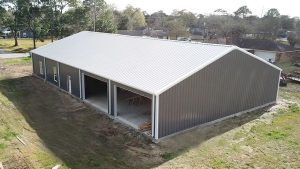
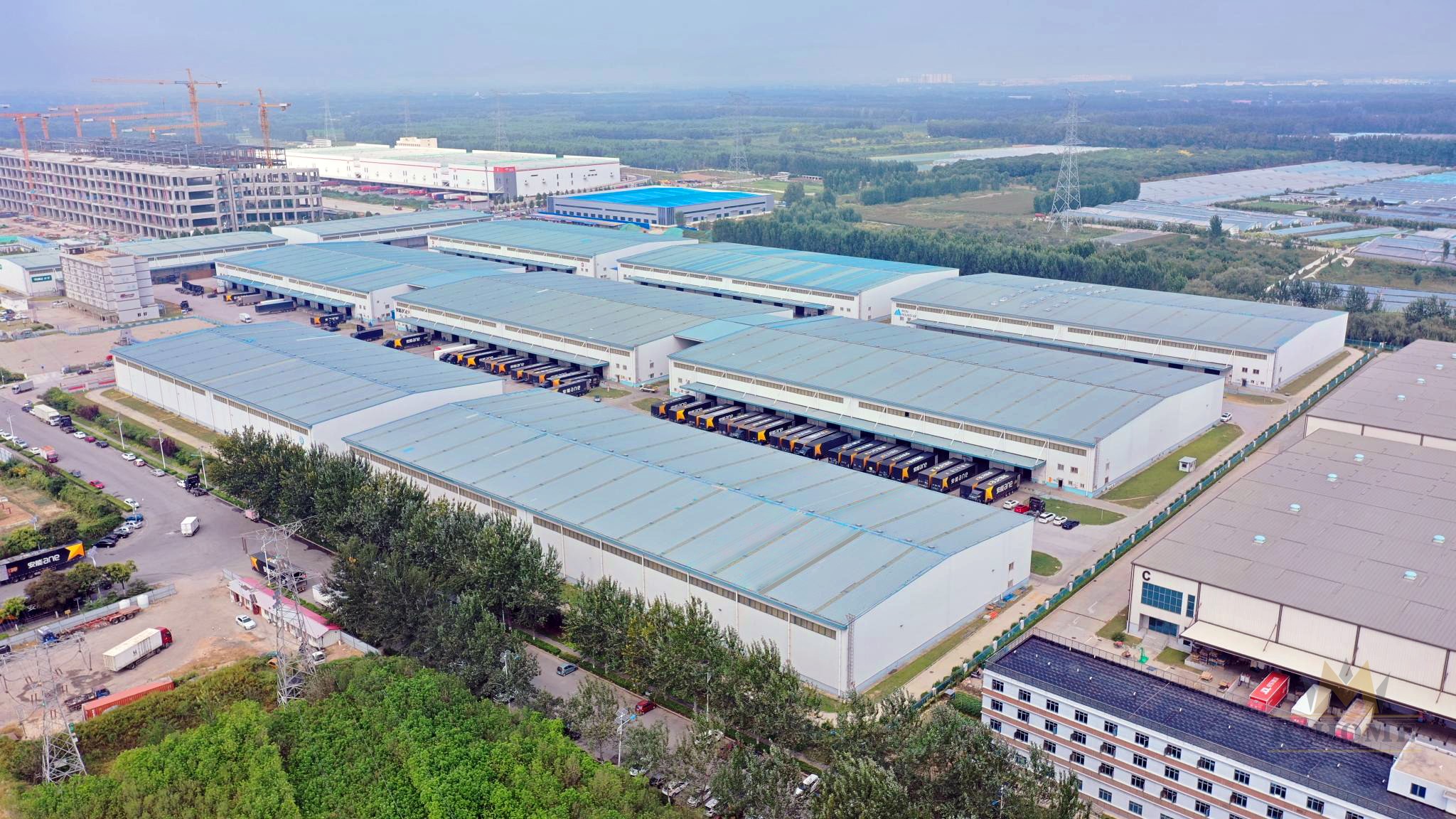
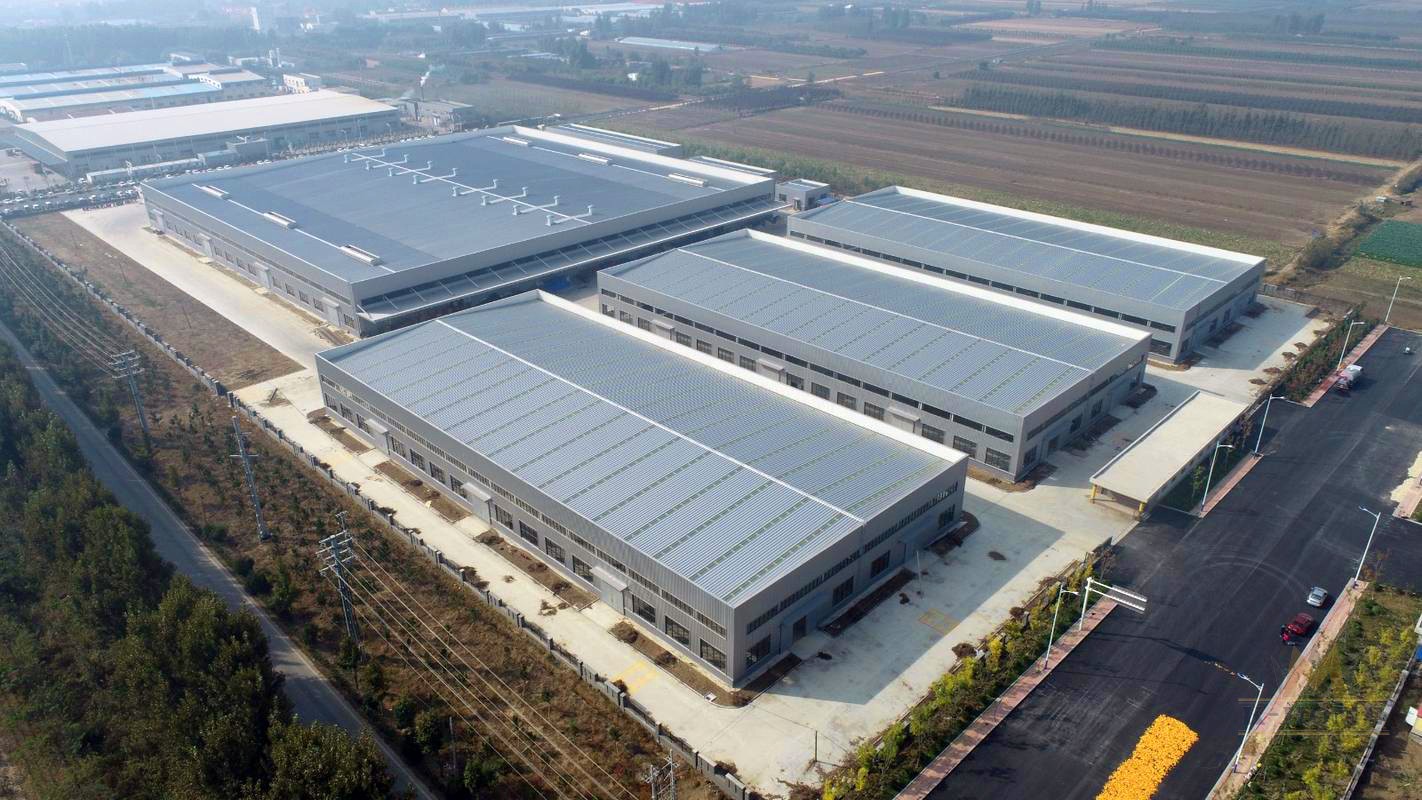
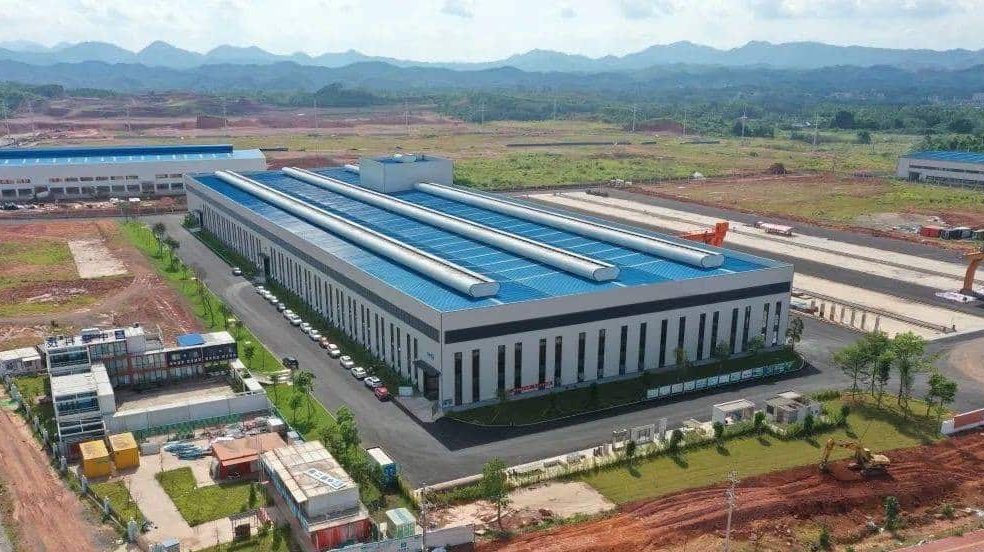
A prefabricated warehouse, also known as a prefab warehouse or pre-engineered warehouse, is a type of industrial or commercial building that is built using pre-engineered components that are manufactured off-site and then assembled at the final location. This construction method is also known as modular construction or prefab construction. Prefabricated warehouses offer several advantages over traditional construction methods, including cost savings, speed of construction, and flexibility in design. These warehouses are designed to be quickly and efficiently assembled, providing a cost-effective and time-saving solution.
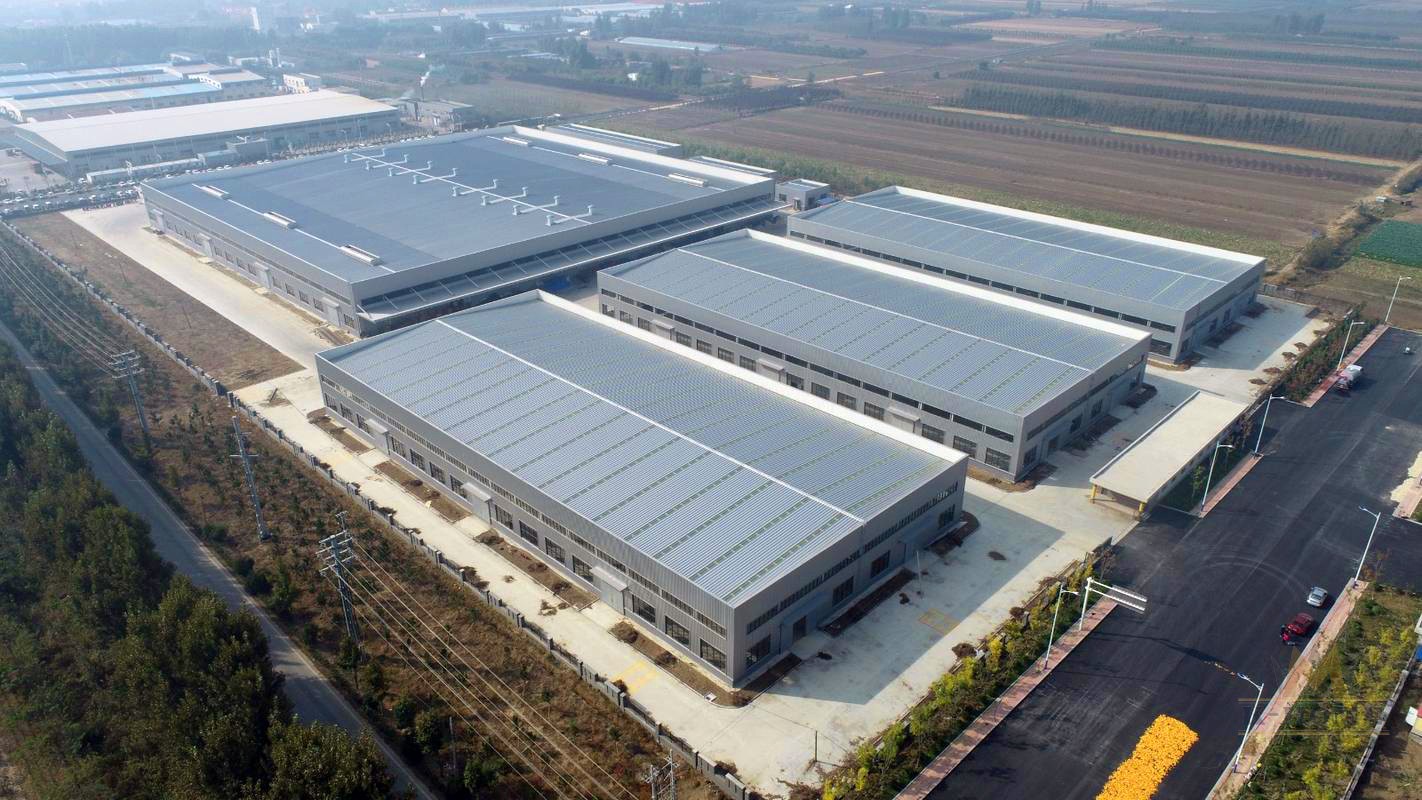
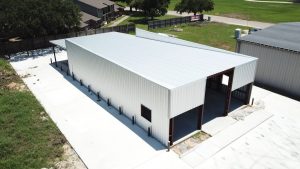
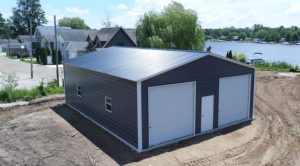
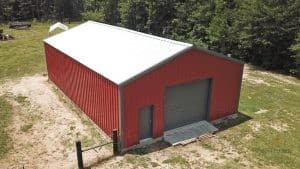
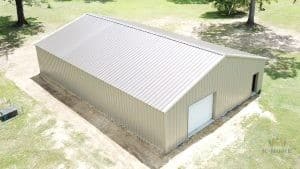
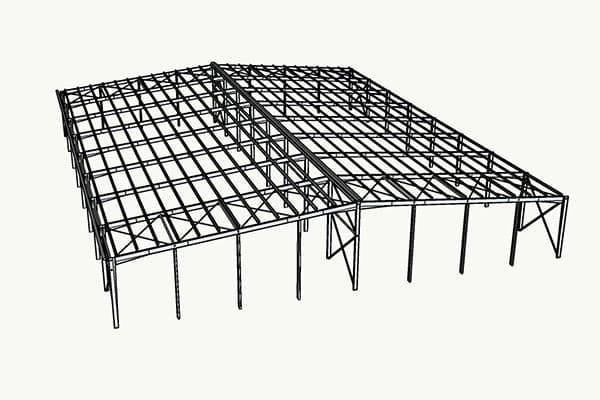
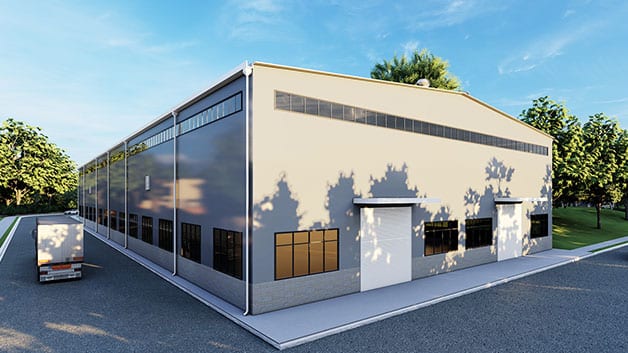
Prefabricated warehouse steel structure
At K-HOME, we understand that prefabricated warehouse buildings come in various shapes and sizes, and the possibilities for customization are endless. As such, we offer customized solutions that can meet the unique needs of businesses and individuals.

Single-span Overhanging Eaves 
Single-span Double-sloped Roofs -
Multi-span Multi Double-sloped Roofs -
Multi-span Double-sloped Roofs -
High-low Span Single-sloped Roofs -
High-low Span Double-sloped Roofs -
Double-span Single-sloped Roofs -
Double-span Double-sloped Roofs








Technical Specifications of Prefabricated Warehouses
Prefabricated warehouses are a versatile and cost-effective solution. They are designed to meet the needs of industrial and commercial buildings, such as workshops, factories, warehouses, and retail spaces. These prefabricated building components are manufactured off-site using high-quality materials and rapidly assembled at the designated location. Below are the key technical specifications of our prefabricated steel structure warehouses:

Materials & Processes
The main steel structure uses Q355B steel; the secondary steel and purlins use Q235B steel. For large spans or areas with high wind speeds, we recommend using Q355B steel throughout to ensure the structural integrity and rationality.
The main steel frame undergoes machine shot blasting for rust removal and is finished with alkyd paint for corrosion resistance. For coastal areas or areas with high corrosion resistance requirements, special anti-corrosion treatments can be applied, such as epoxy zinc-rich paint.
Different countries and regions have their own regulations and requirements. If your project requires strict adherence to local standards, we can leverage our extensive international project experience to provide structural design solutions that comply with local regulations.
Frame & Structure
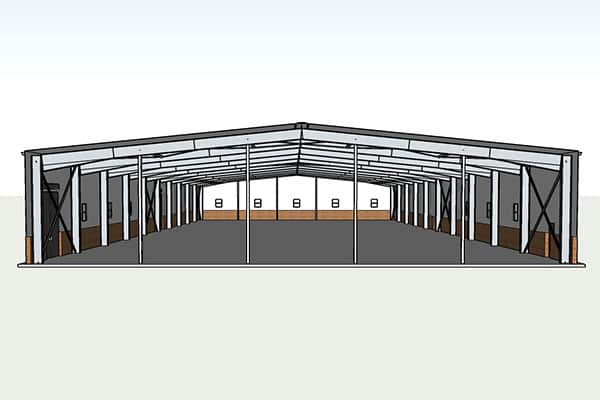
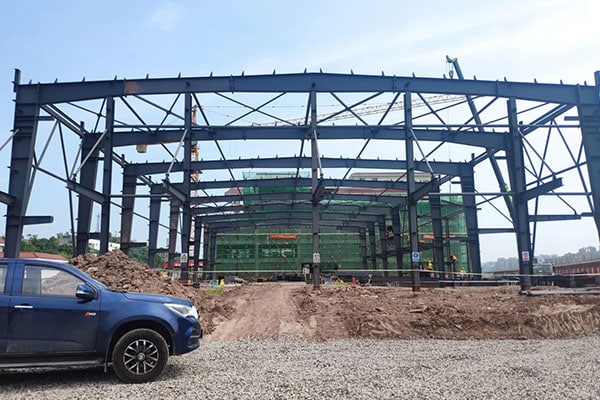
We offer mainstream portal frame systems. Our portal frames are manufactured using high-quality hot-rolled steel and feature patented rigid bending connection technology, achieving excellent economic efficiency while ensuring structural strength. Actual engineering data shows that this structure not only allows for rapid construction but also effectively resists lateral wind loads and longitudinal seismic forces, a key reason why it is the preferred solution for industrial buildings.
K-Home’s engineering team conducts multi-dimensional assessments based on each project’s specific needs, considering load requirements, functional requirements, and budget control, to recommend the most suitable steel frame solution for clients.
Size
KHOME manufactures and supplies buildings in sizes and heights tailored to your requirements.
You can also communicate with us, and we can work together on the layout to determine more economically efficient building dimensions.
Roofing & wall materials
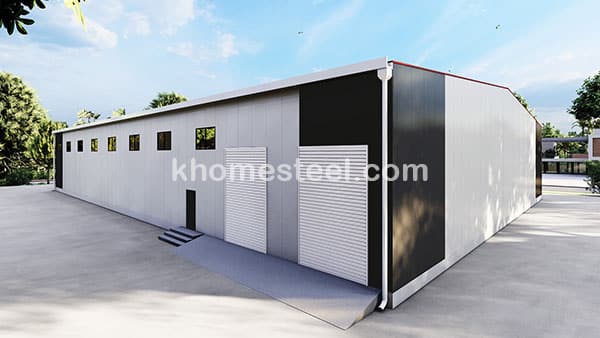
Roofing and wall material options include: color-coated steel sheets, color-coated steel sheets + insulation, and sandwich panels.
Color-coated steel sheets come in various specifications and colors; sandwich panels can be configured with different insulation core materials (rock wool, polyethylene, polyurethane, etc.) and thicknesses depending on the warehouse’s intended use.
Door & window
Door:Sliding doors, manual roller shutters, or electric roller shutters;
Window:PVC windows or aluminum alloy windows;
The size of doors and windows depends on the design plan.
Crane
We can provide crane equipment. If you have such requirements, please inform us at the early stage of the project so that we can take them into consideration during the design phase. It is worth mentioning that we offer an integrated design solution for cranes and steel silos, which is our unique advantage and not available from other suppliers.
This integrated approach effectively avoids issues caused by inconsistent designs from different suppliers, such as the inability to install or operate the lifting equipment.
Foundation
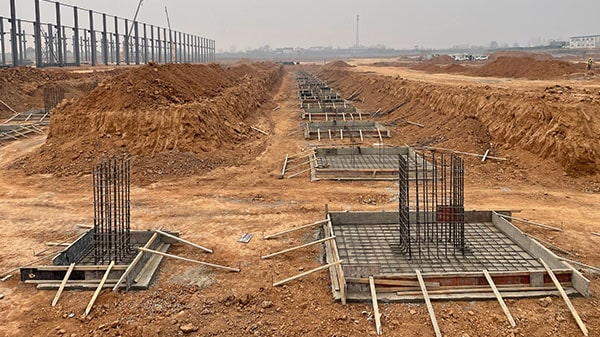
You will need to hire a professional engineer locally to conduct a land survey and provide a geological survey report. Our engineers will then design a scientifically sound foundation plan for you based on your on-site geological survey report, combined with the project’s load and dimensions.
Installation
We provide installation drawings and videos, as well as technical guidance throughout the entire lifecycle. We have our own installation team in Ethiopia, providing professional installation guidance to surrounding areas.
Application of prefabricated steel warehouse >>
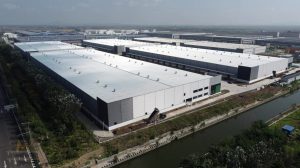
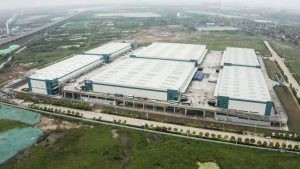
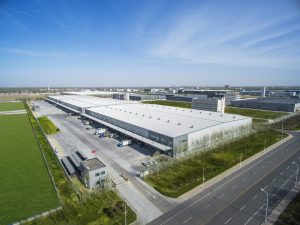
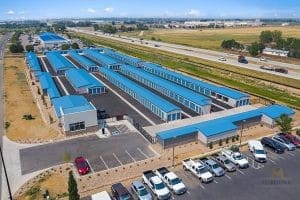
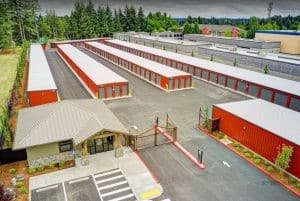
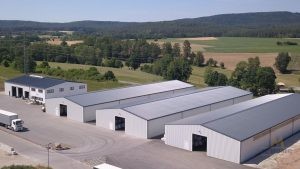
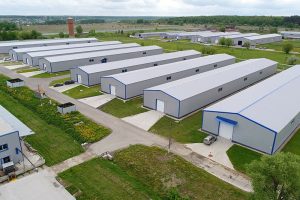
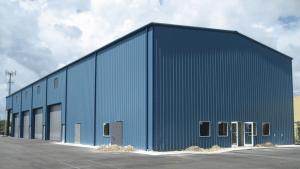
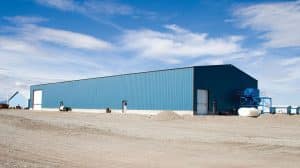
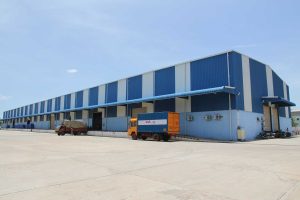
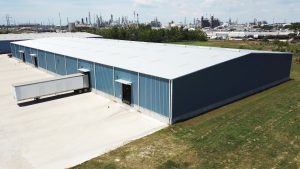
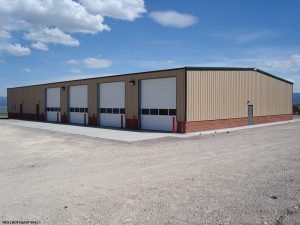
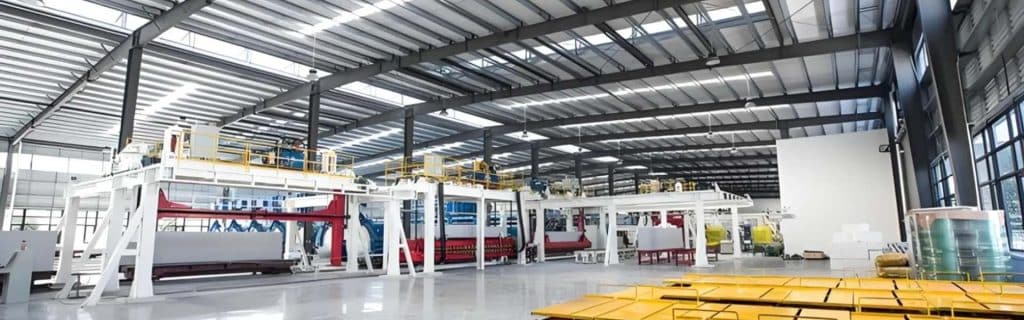
As your customized warehousing partner, KHOME offers more than just a warehouse. Our pre engineered buildings are carefully designed and can be tailored to meet your specific needs—whether for storing goods, or for use as workshops, factories, grain silos, or even commercial retail spaces.
More importantly, our design seamlessly integrates various lifting and handling equipment, such as bridge cranes, loading platforms, and forklift access, ensuring smooth internal logistics.
About the process of prefab steel structure warehouse
The scheme design is the most fundamental and crucial step in constructing a warehouse. Its rigorous process primarily includes the following core stages:
Establish Design Parameters
We don’t just build, we design. Our team calculates local environmental factors, including wind loads (up to 250 km/h), snow loads, and seismic intensity (9-grade earthquake), to ensure your warehouse stands strong.
Professional Structural Engineering
Structural engineers, utilizing the established design parameters, employ computer-aided design software and professional expertise to conceptualize and develop a scientifically sound steel structure solution.
Draft Construction Drawings
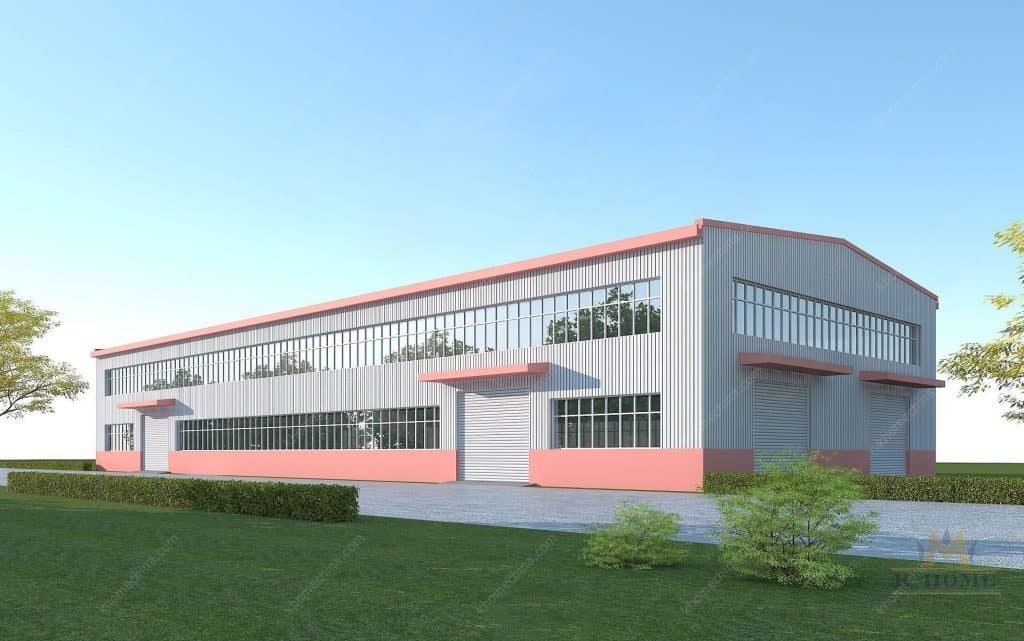
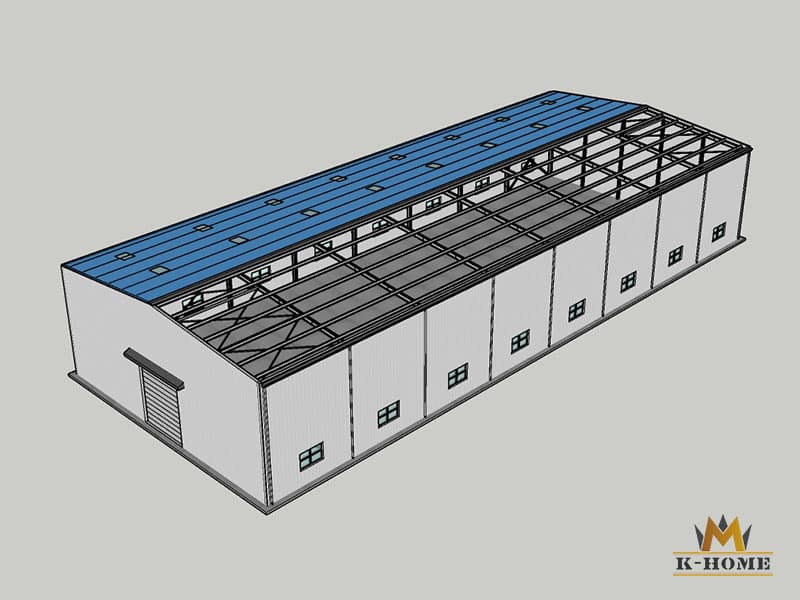
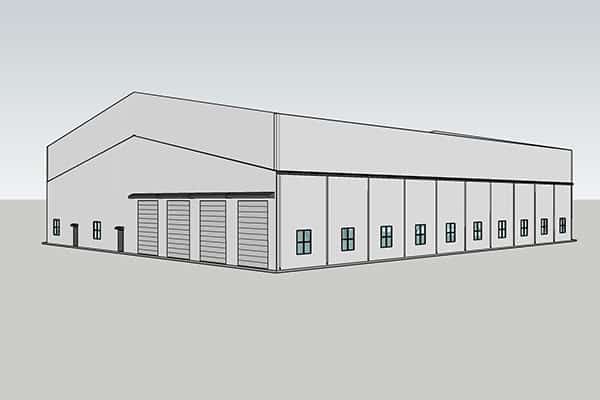
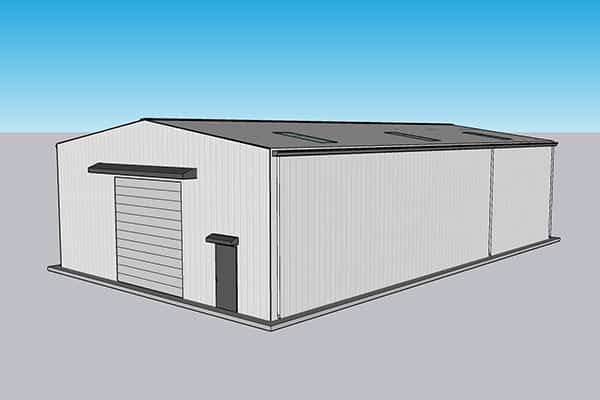
Within 24-48 hours, our R&D team provides a comprehensive preliminary design package (Floor plans, Elevations, and 3D Renderings) tailored to your project scale—completely free of charge.
We have a professional team dedicated to steel building design. Together with our self-developed design software, we can quickly provide you with free preliminary design drawings that meet Industrial building design standards based on the dimensions, project scale, usage, and load requirements you provide.
Ready to start? Send us your:
- Building Dimensions (L W H)
- Local Climate Data (Wind/Snow speed)
- Usage (Storage, Workshop, or Crane support?)
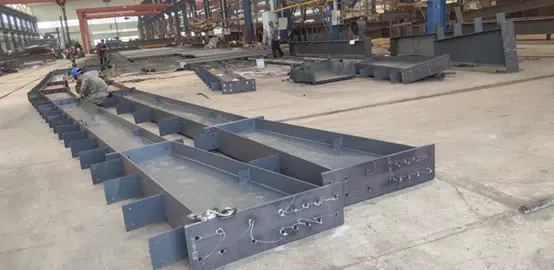
The manufacturing of steel structure components is a highly standardized and streamlined industrial process, typically completed in specialized factories to ensure the precision, strength, and safety of the components. The entire manufacturing process, from design drawings to physical objects, encompasses multiple key steps, each of which has a decisive impact on the quality of the final product.

1. lofting -
2. cutting -
3. forming -
4.welding -
5.Quality Inspection -
6.coating


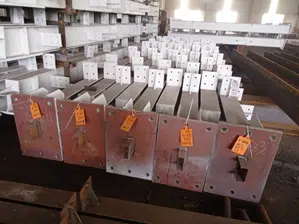
As we know, steel structure building has many parts, in order to make you clear and reduce the site work, we’ll mark each part with labels and take photos. In addition, we also have rich experience in packing. We will plan in advance the packing location of the parts and the maximum use space, as far as possible to reduce the number of packing for you, and reduce the cost of shipping.
You may be worried about the problem of unloading. We put an oil wire rope on each package of goods to ensure that after the customer receives the goods, they can directly pull the whole package of goods out of the box by pulling the oil wire rope, saving time, convenience and manpower!
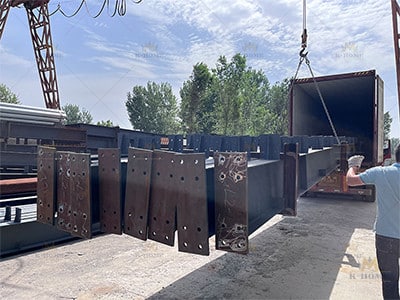
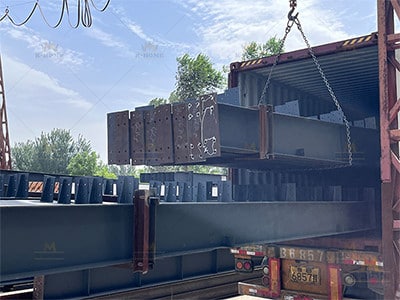
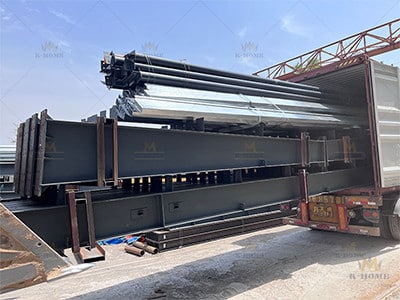
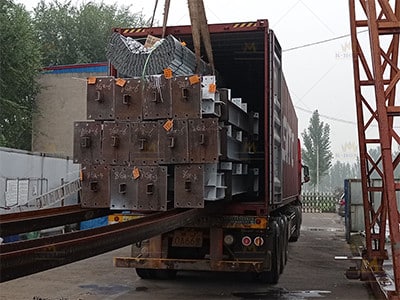
Once the building is manufactured, it can be directly transported to your site for installation. Installation is quick and efficient, typically completed in less than a week. We use minimal equipment, thus minimizing disruption to your daily operations.
Furthermore, prefabricated component construction eliminates the need for time-consuming and labor-intensive “wet work” such as plastering and bricklaying. This is the main reason for the time and cost savings compared to traditional construction methods. In comparison, the cost of prefabricated component construction is approximately 70% lower.


What Factors Affect The Prefabricated Warehouse Building Cost?
Price is one of the core concerns for every business owner when planning a project. It’s important to note that the prefabricated warehouse price is not a fixed price; due to its diversity and complexity, the cost is influenced by a combination of variables.
The main factors affecting the cost of steel structure warehouse include:
- Project scale and complexity: The size, structural form, and technical difficulty of the project directly affect resource input. Larger scale and more complex structures require more materials, manpower, and time, thus significantly impacting the overall cost.
- Material selection: The type of steel, connectors, maintenance systems, and the grade and brand of anti-corrosion coatings are important components of the cost. K-HOME assists clients in selecting the most cost-effective material solutions while ensuring structural safety.
- Construction period: Projects with tight schedules may require accelerated prefabrication, additional work teams, or parallel operations, all of which incur additional resource coordination and management costs.
- Project location: Labor costs, logistics expenses, and site environmental conditions (such as weather, seismic requirements, etc.) between regions also influence the final quote to some extent.
As a professional steel warehouse building contractor, K-HOME is committed to providing customers with safe, reliable, and cost-effective steel structure solutions, ensuring that every quote is reasonable and transparent.
How to get a cheap prefabricated warehouse building?
If you are looking for cost-effective choices for prefabricated warehouses, there are several ways to minimize expenditure. Keep in mind that the total cost will depend on various factors, including the size of the warehouse, the selected materials, the design complexity and location. There are some prompts here:
Standardized design: Choose a standardized design that can be obtained from prefabricated building manufacturers. These designs are usually more cost-effective because their production is large, which reduces production costs.
Simple design: The design of the warehouse is simple and clear. Complex design with complex functions may increase costs. Direct and simple functional design may be more affordable.
Basic materials: Choose basic but durable materials. Choose materials that meet the necessary standards and durability, without unnecessary decorations to help reduce costs. K-HOME will provide you with the most cost-effective material choice, and we will provide you with high-quality prefabricated warehouses that afford it.
Note for size: Larger warehouses are usually relatively small in warehouses. If possible, optimize the size of the warehouse to meet your needs without more space. The same area but different sizes may bring different prices. If there are no special requirements, you can give your land area and expected size to K-HOME, and we will optimize it according to your requirements.
When planning cheap prefabricated warehouses, it is important to achieve a balance between saving costs and the quality and function of the final structure. Cooperation with experienced professionals and thoroughly studying your choice will help ensure that you get the best value for your budget. Please contact K-HOME immediately to get your exclusive solution.


Case Studies
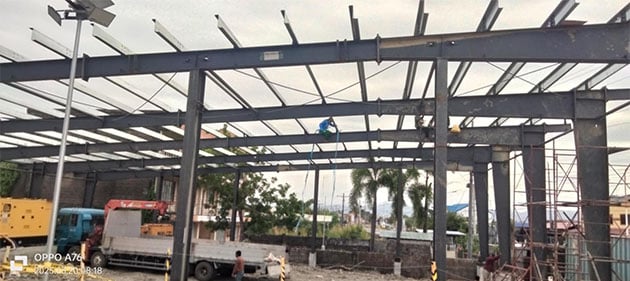
Prefabricated Warehouse Building in Philippines
Prefabricated Warehouse Building in Philippines Project Background In June 2024, K-Home received an inquiry from a Philippine client for a prefabricated steel structure building. The client intended to construct a…Production Workshop Steel Building in Tanzania
Production Workshop Steel Building in Tanzania A prefabricated workshop steel building in Tanzania, designed and manufactured by K-Home, has been installed and is now operational. We designed the steel structure…
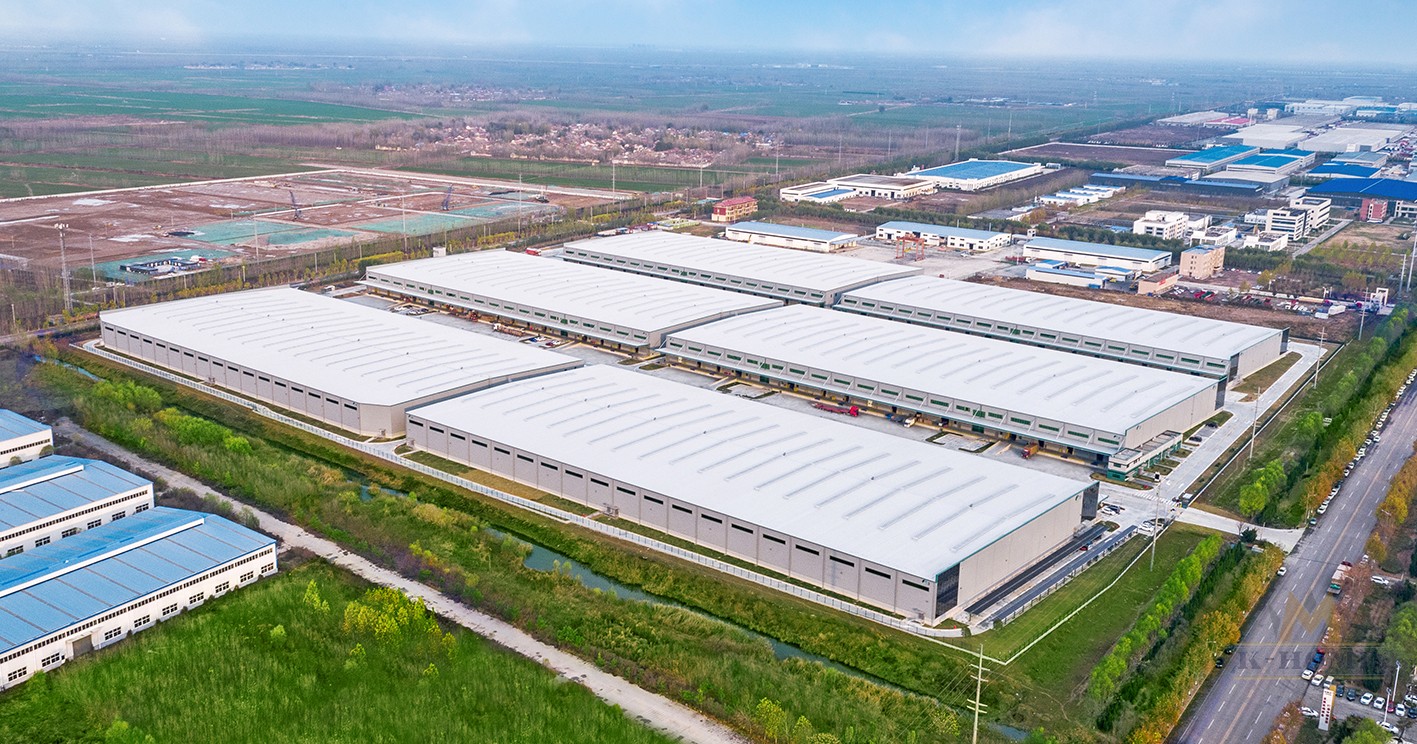
To date, we have completed projects in over 65 countries across Southeast Asia, the Middle East, Africa, Europe, and South America.
During communications with clients, we’ve observed that countries like the Philippines, those in the Middle East, Europe, and the Americas often enforce strict steel standards. They generally prefer ASTM or EN systems to ensure structural safety and durability.
However, the key factors affecting structural safety are environmental loads—especially wind, rain, snow, and seismic forces.
That’s why, in the early design phase, we ask clients to provide site-specific environmental data. Based on that, we tailor steel structures to local conditions.
For example, in our projects in the Bahamas and the Philippines, wind speed was the dominant load. Our engineers responded by thickening steel column walls, increasing beam sections, and spacing purlins more closely—significantly boosting wind resistance.
We also used high-strength bolted connections and anti-corrosion coatings. These measures help the steel structure withstand high humidity and salt spray, achieving a design life of over 50 years.
To date, all delivered projects have maintained a zero-accident safety record—earning strong recognition from our clients.
Prefabricated warehouse manufacturer
Before selecting a prefabricated warehouse building manufacturer, it’s important to thoroughly research and consider factors such as the company’s reputation, experience, the quality of materials used, customization options, and customer reviews. Additionally, obtaining quotes and consulting with representatives from these companies can help you make an informed decision based on your specific project requirements.
K-HOME offers prefabricated steel buildings for various applications. We provide design flexibility and customization.
customized steel structure warehouse buildings according to your application
K-HOME’s prefabricated steel structure buildings have been successfully implemented in numerous countries and regions worldwide, including African markets such as Mozambique, Guyana, Tanzania, Kenya, and Ghana; the Americas such as the Bahamas and Mexico; and Asian countries such as the Philippines and Malaysia. We are familiar with diverse climate conditions and approval systems, enabling us to provide you with steel structure solutions that combine safety, durability, and economy.
If you provide the following information, we will provide you with a more accurate product quote.





Contact Us >>
Have questions or need help? Before we start, you should know that almost all prefab steel buildings are customized.
Our engineering team will design it according to local wind speed, rain load, length*width*height, and other additional options. Or, we could follow your drawings. Please tell me your requirement, and we will do the rest!
Use the form to reach out and we will be in touch with you as quickly as possible.