
What’s Steel Structure Warehouse Building?
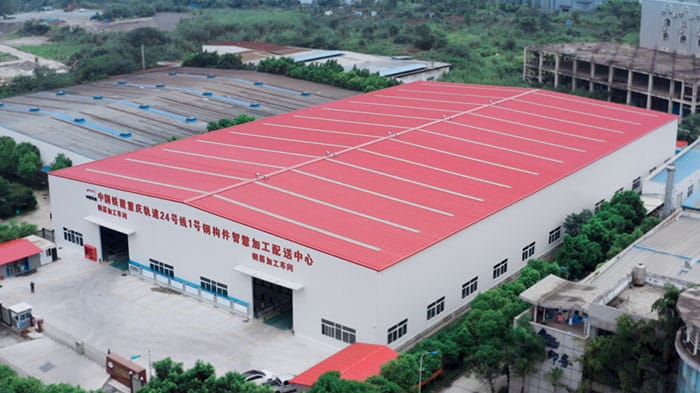
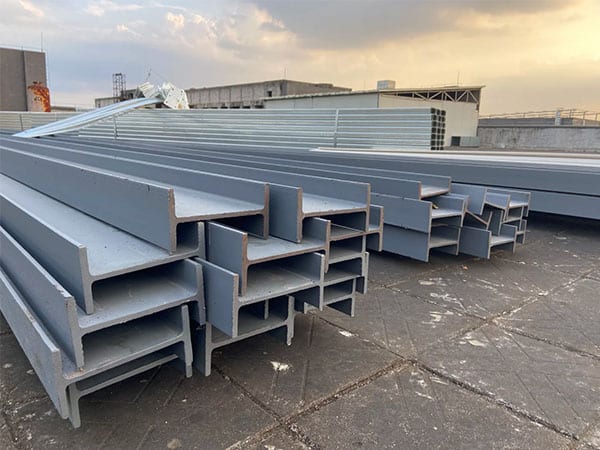
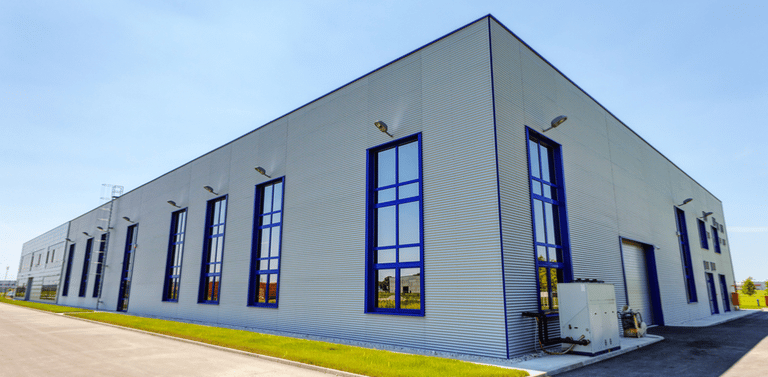
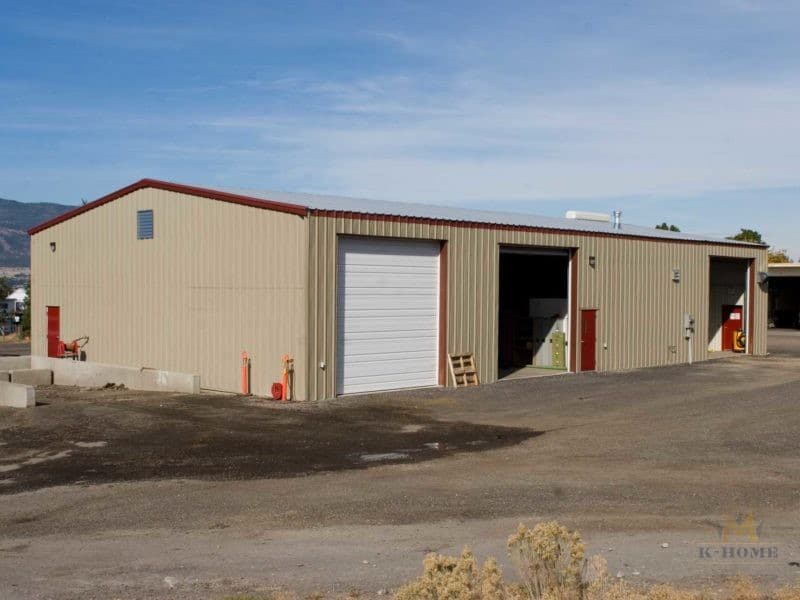
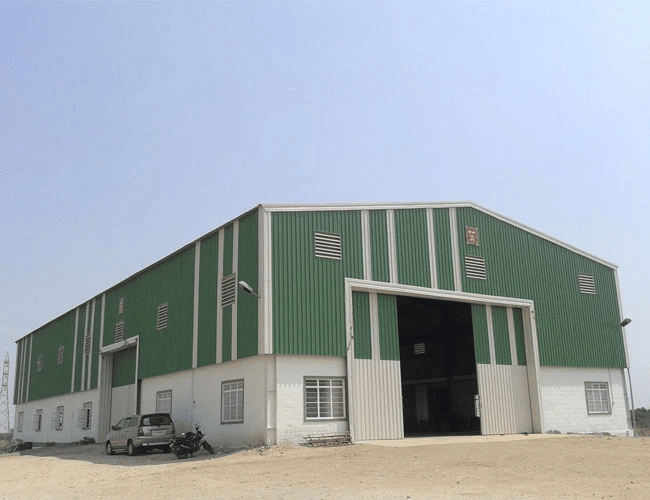
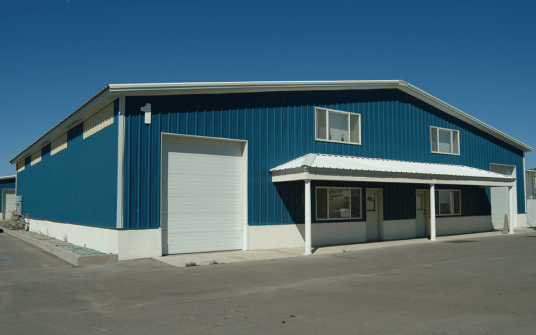
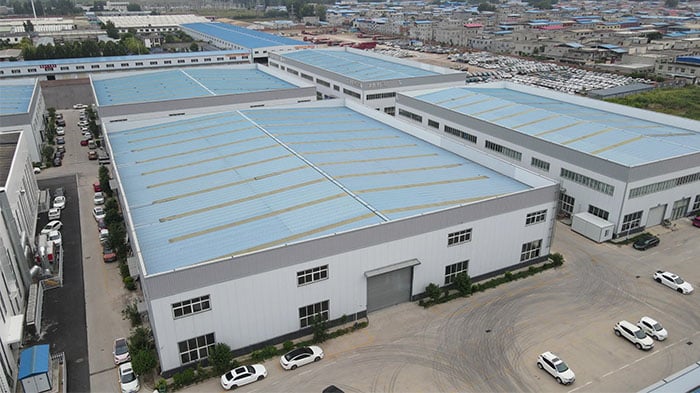
Engineering facilities built using prefabricated steel components—most frequently H-beams—are known as steel structure warehouse. These structural solutions are particularly engineered to bear massive loads while retaining an open and breezy interior area.
Hot-rolled or welded steel beams usually make up the primary structural frame, which is supplemented by auxiliary parts including purlins, wall beams, and bracing systems. plus the windows, doors, wall and roof. When combined, these elements create a sturdy structure that can withstand a variety of environmental stresses, such as snow, powerful winds, and earthquakes.
Warehouse Structure Design
Single-Story Steel Structure Warehouse Buildings
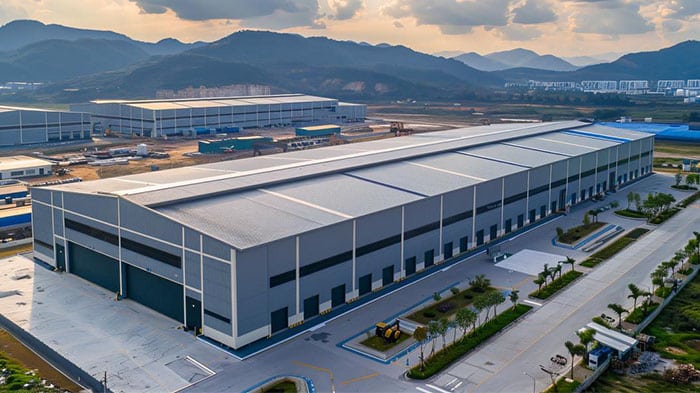
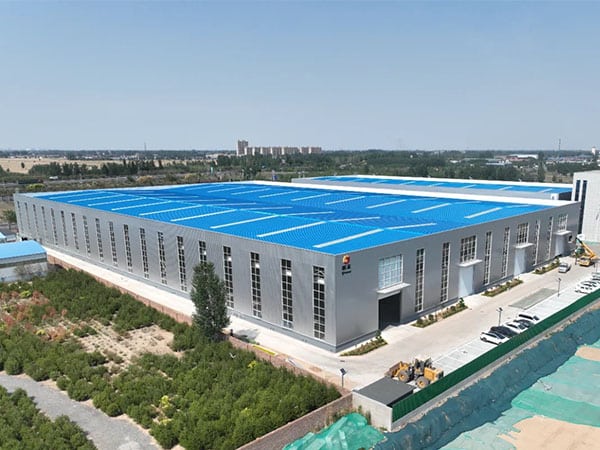
One floor are the distinguishing feature of single-story steel warehouse manufacturing buildings. They are perfect for sectors or companies that don’t need multi-story operations. These workshops are ideal for manufacturing, storage, assembly, and other industrial tasks since they have large floor spaces and high ceilings.
Double-Story Steel Structure Warehouse Buildings
Multi-story steel structure warehouse buildings have more floors or levels than single-story ones. They are made to optimize the building’s overall footprint while maximizing vertical space. Multi-story workshops are appropriate for businesses that need to separate distinct regions across many levels for different activities or for those with limited land.
Single-Span Steel Structure Warehouse Buildings
Uninterrupted space between supporting columns or walls characterizes single-span steel structure warehouse buildings with a clear span design.
Large open spaces and flexibility in interior arrangement are made possible by this design, which eliminates the requirement for internal columns or supports. Large-scale industrial operations, warehouses, and production lines are frequently housed in single-span factory buildings.
Multi-Span Steel Structure Warehouse Buildings
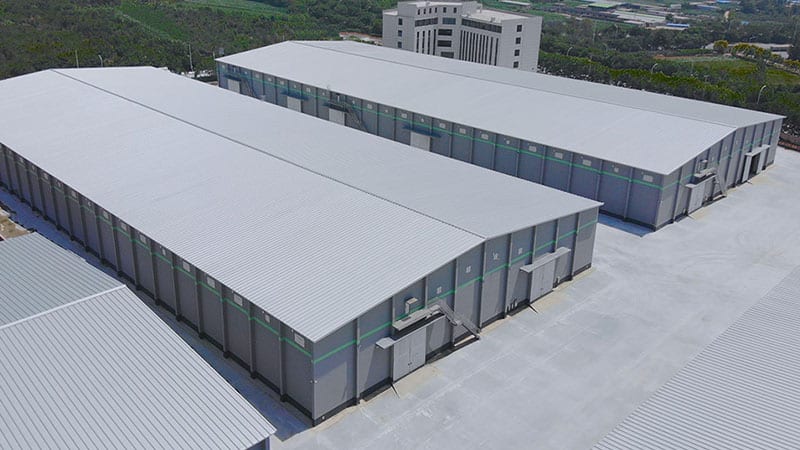
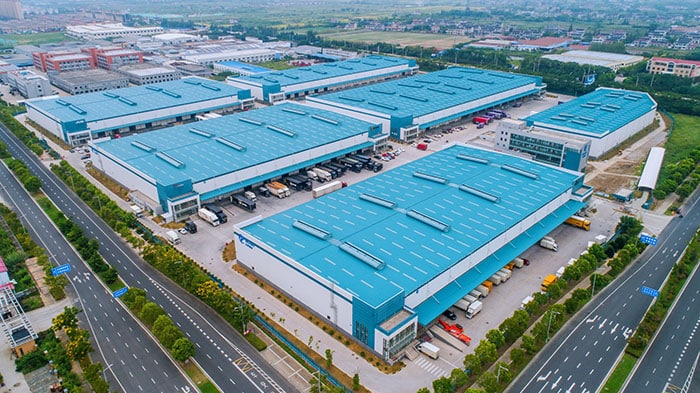
Multi-span steel structure buildings are made up of several spans or sections, each of which is supported by walls or columns. This design permits various roof heights and layouts within the workplace while maintaining structural stability and integrity. Multi-span workshops are appropriate for facilities that need divided spaces for various activities, assembly lines, and complicated industrial processes.
Every kind of steel-framed warehouse has special benefits and uses that satisfy a range of operational and industry demands. warehouse type selection is influenced by a number of criteria, including available space, operational flexibility, workflow efficiency, and future growth plans.
Steel Structure Warehouse Details
A steel structure warehouse, especially one with a portal – frame steel structure, offers a host of advantages in construction and functionality. Here are the detailed aspects of its components:
Main Frame of Steel Structure Warehouse
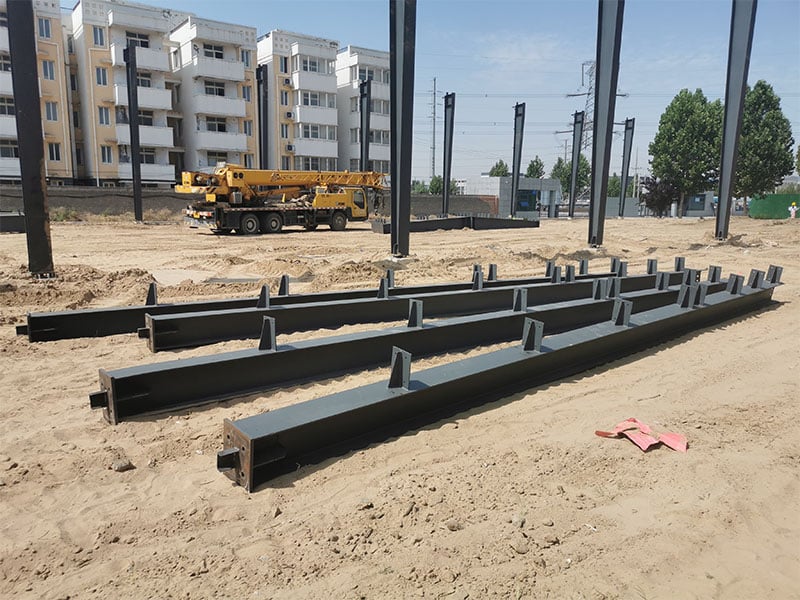
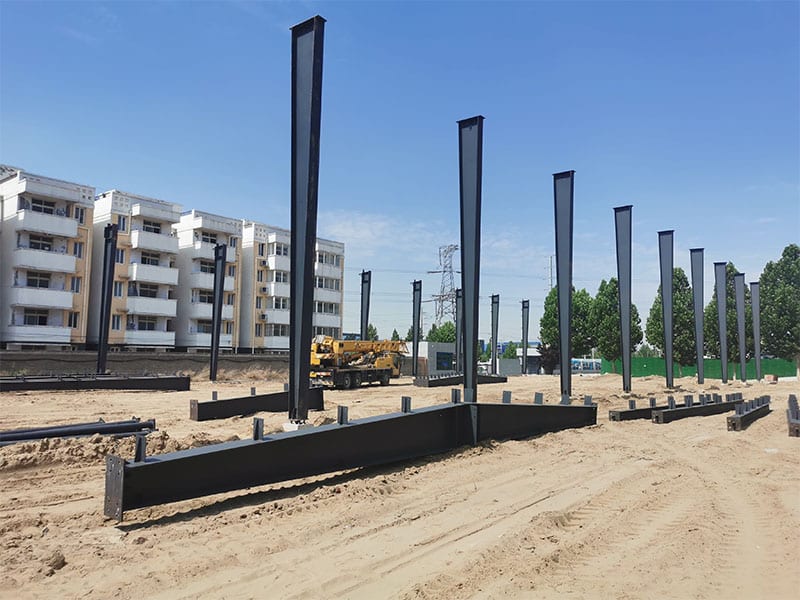
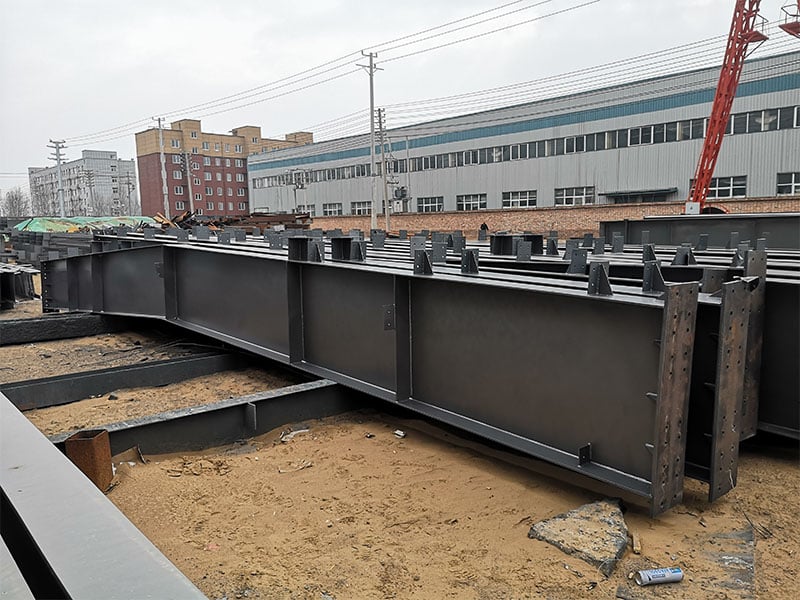
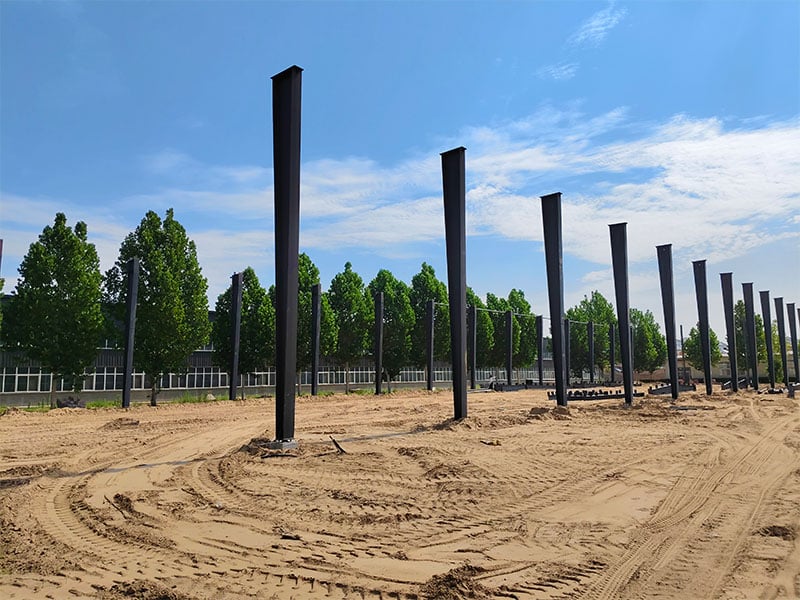
The main frame of a steel structure warehouse is typically a portal frame system. Because portal frames are pre-engineered and manufactured off-site, on-site building time is greatly reduced.
These frames are made to support a variety of loads, such as wind loads, snow loads, living loads (such stored items), and dead loads (the weight of the building itself).
Effective load distribution is made possible by the portal frame’s form, which is often pitched or arched. The main frame’s rafters and columns are composed of high-strength steel, which offers a superb strength-to-weight ratio.
This maximizes the interior storage capacity by allowing the warehouse to have huge unobstructed spans—sometimes up to 60 meters or more—without the requirement for intermediary columns.
Purlins and Girts of Steel Structure Warehouse
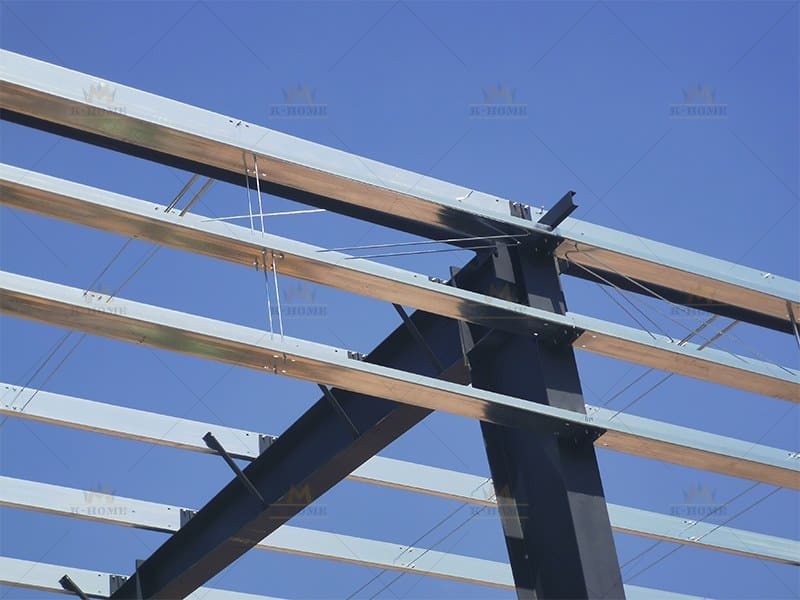
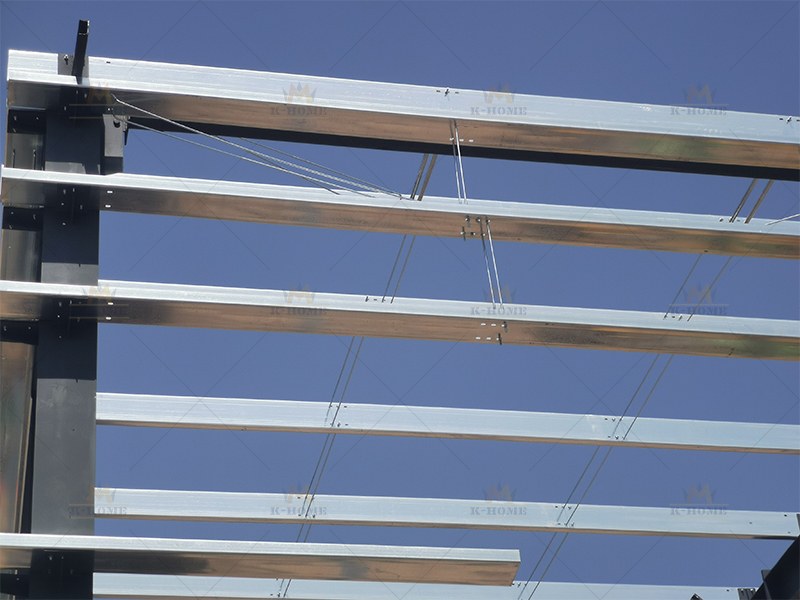
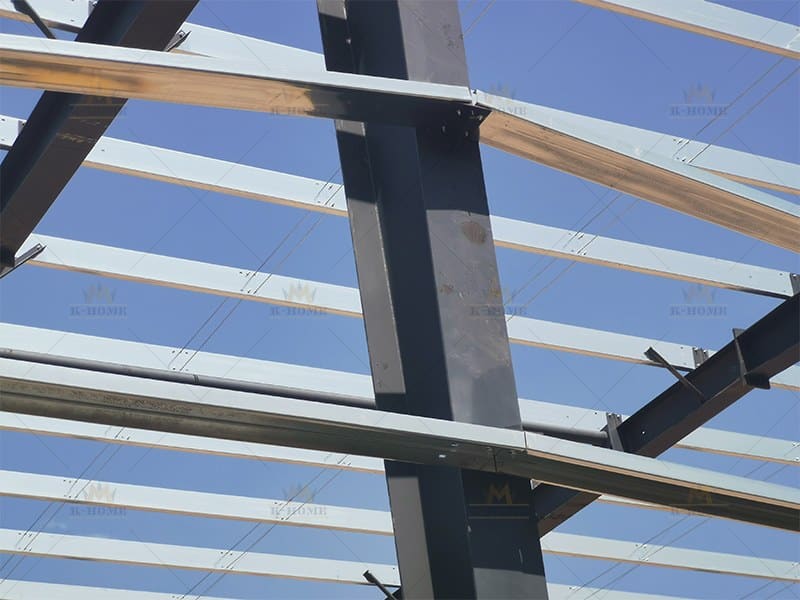
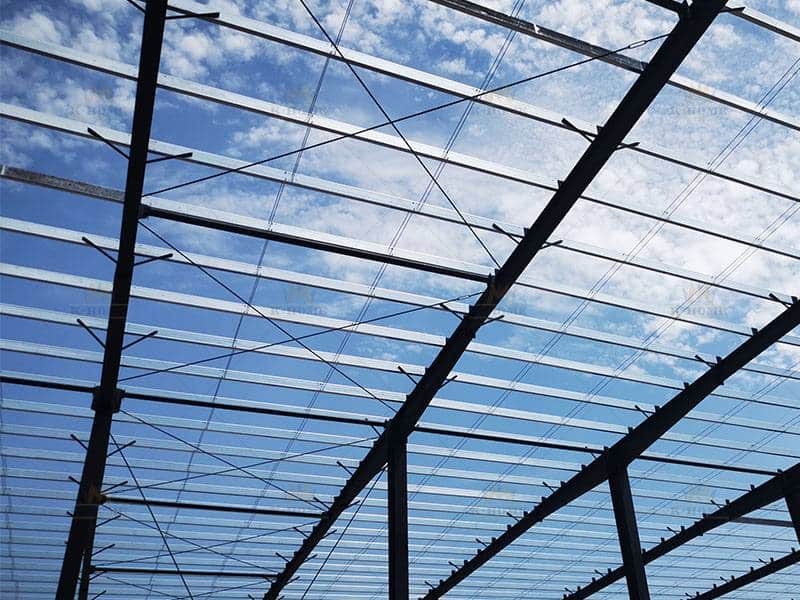
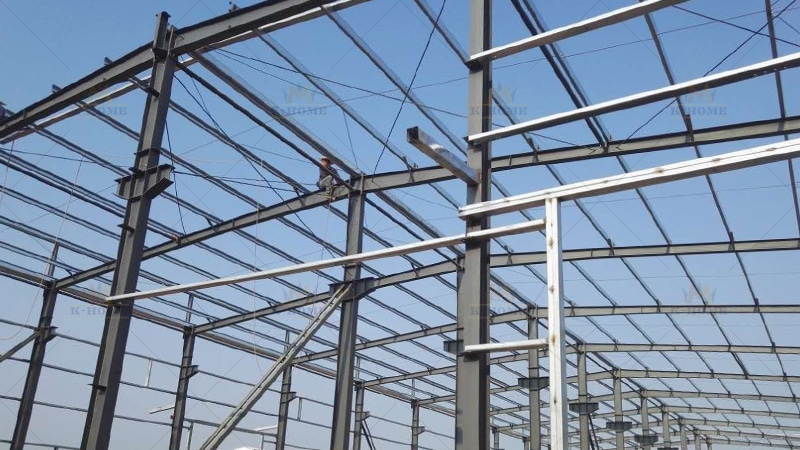
In the steel structure warehouse, girts and purlins are secondary structural components.
Girts are used to support the wall panels, whereas purlins are horizontal components that support the roof panels. Cold-formed steel pieces, which are robust and lightweight, are typically used to make them. To equally transmit the weights from the roof and walls to the main structure, the purlins and girts are positioned at regular intervals.
The type of walling and roofing materials, as well as the local climate, are taken into consideration while designing and spacing them. For instance, the purlins may need to be spaced closer together to support the extra weight in regions that receive a lot of snowfall.
Bracing Systems of Steel Structure Warehouse
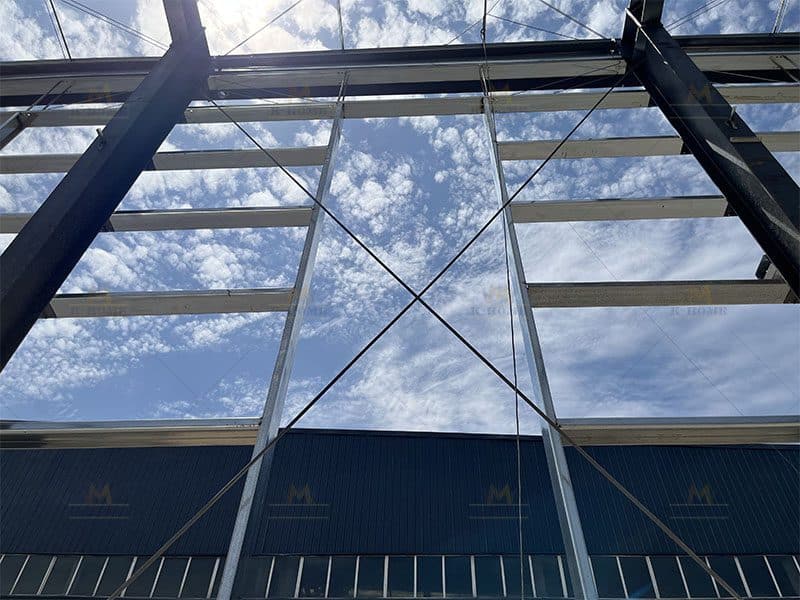
Bracing systems are essential for the stability of the steel structure warehouse. They help to resist lateral forces, such as wind and seismic loads.
There are several kinds of bracing in a portal-frame steel construction, such as roof bracing and diagonal bracing in the end walls. The end walls’ diagonal bracing gives the entire structure lateral stability and keeps it from swaying in the face of wind.
Roof bracing aids in maintaining the portal frames’ form and distributing loads equally across the roof. These bracing systems are constructed with care to guarantee correct alignment and connection with the main structure. They are composed of steel rods or angles
Roof and Wall Cladding of Steel Structure Warehouse
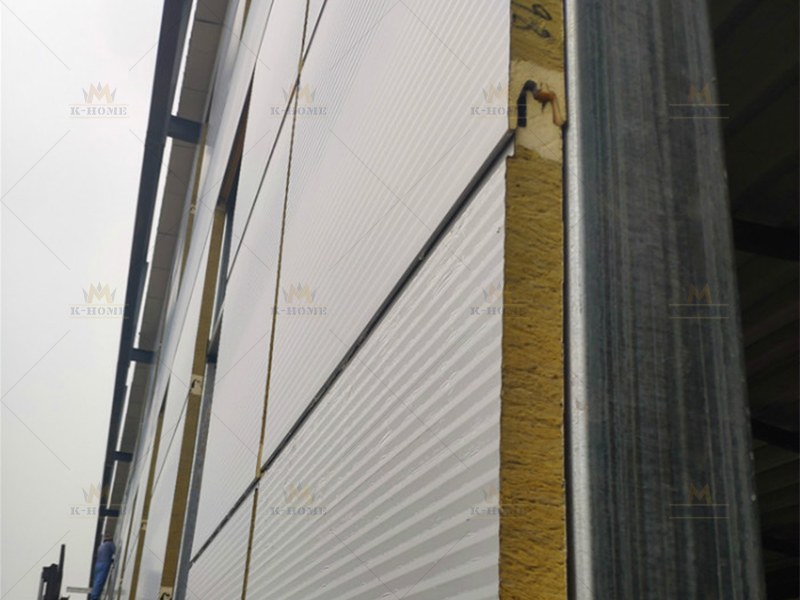
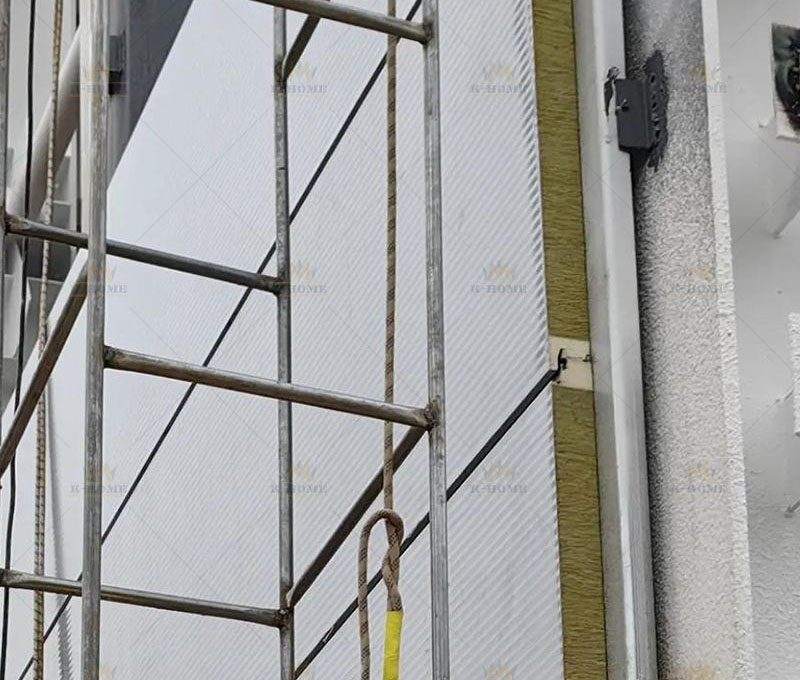
A steel structure warehouse’s roof and wall cladding are typically composed of metal sheet and sandwich panel. They all provide a number of advantages.
The metal shee’s advantages is low maintenance, weather resistance, and durability. They enable for aesthetic customisation because they are available in a range of profiles and colors. Screws or clips are used to fasten the metal sheets to the girts and purlins.
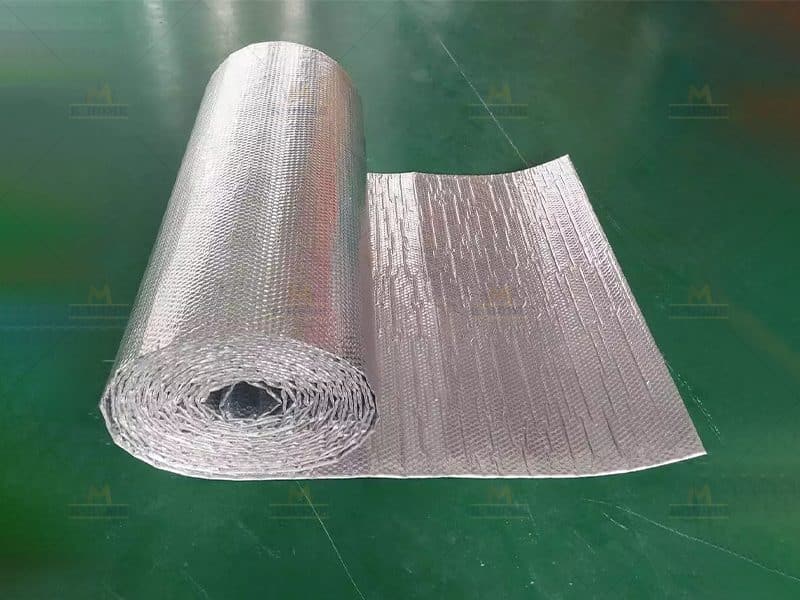
In order to increase the warehouse’s energy efficiency and save heating and cooling expenses,the insulated sandwich panel is necessary. The particular needs of the warehouse, such as the kind of items kept and the local environment, determine the choice of sandwich panel’s thickness and insulation level.



Doors and Windows of Steel Structure Warehouse
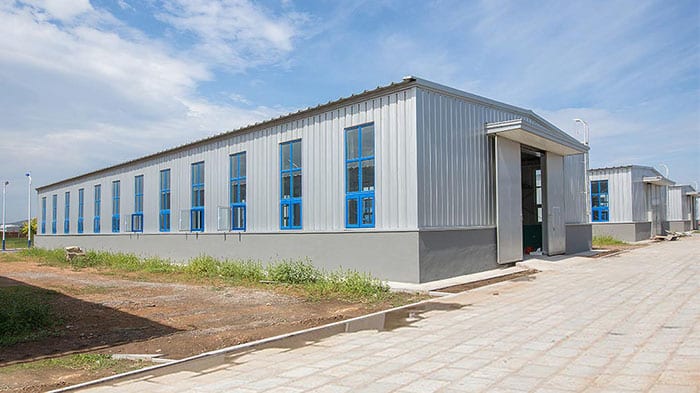
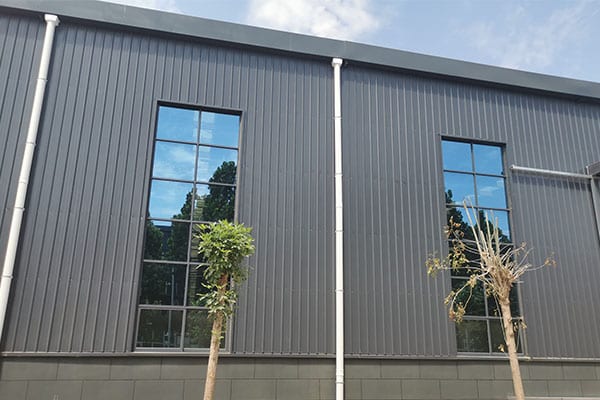
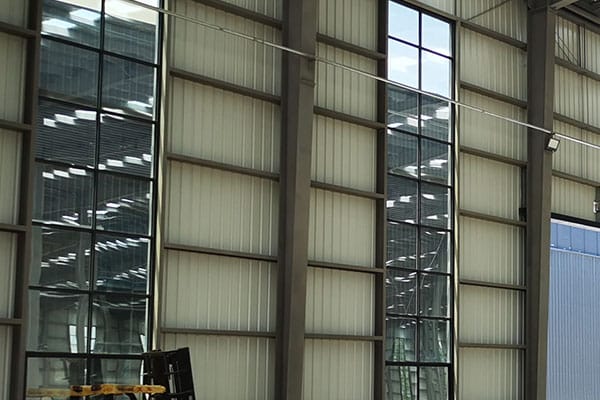
Windows and doors are essential to the steel structure warehouse’s operation and ventilation. Large rolling shutter doors or sliding doors are usually used to facilitate the entry and exit of vehicles and forklifts.
These doors are made of aluminum or steel, sturdy and durable. The warehouse is equipped with windows to introduce natural light and reduce the need for artificial lighting during the day. According to ventilation requirements, windows can be fixed or movable. In order to ensure good ventilation and smooth traffic in the steel structure warehouse, the position and size of doors and windows have been carefully designed.
Steel Structure Warehouse Price
On average, the price of a basic steel structure warehouse can range from $50 to $80 per square foot. However, this is just a rough estimate, and the actual price can be higher or lower depending on the follow items:
1. Raw Materials
Raw materials are a major factor influencing the construction cost of steel structure warehouses. The primary components of steel structure buildings are steel and sheet metal, which make up between 70% and 80% of the overall cost. Consequently, the cost of building steel warehouses is directly impacted by changes in the market price of steel raw materials. Additionally, the materials and thicknesses of the cladding panels, as well as the costs of various steel profiles and support surfaces, varies greatly.
2. Height and Span
Height and span are also important factors affecting the cost of steel structure warehouses. Additionally, if your prefabricated steel structure warehouse considers installing bridge cranes, the price will also differ. In short, the specific cost depends on the usage and height-to-span ratio of your prefabricated steel warehouse.
3. Geological Conditions
Foundation costs are closely related to the geological conditions of the steel warehouse structure. When designing a steel structure warehouse, attention should be paid to the geological report of the building location to select a reasonable basic type. Controlling the load-bearing surface and burial depth of the foundation has a positive effect on saving the total construction cost.
4. Structural Complexity
The complexity of the structure also affects the cost of steel structure warehouses in China. The more complex the structure, the higher the requirements for design and technology, and therefore, the higher the construction cost of an industrial steel warehouse.
In short, the cost of a steel structure warehouse is determined by factors such as raw materials, design scheme, height and span, and geological conditions. If you would like to know the price of your steel structure warehouse, please provide the building dimensions (length * width * height), geological conditions, and the capacity of the overhead crane. Upon receiving your inquiry, our engineers and project consultants will gather to begin developing a comprehensive proposal for your project.
The Applications of Steel Structure Warehouse
Logistics and Distribution
Steel structure warehouses are widely used in the logistics and distribution industry. They provide large – scale storage space for goods in transit. The open – plan design of these warehouses allows for easy organization and movement of inventory. Forklifts and other handling equipment can operate freely, facilitating the loading and unloading of goods.
Production
Steel structure warehouses are frequently used by manufacturing organizations to store finished goods, work-in-progress, and raw materials. Steel constructions are strong and long-lasting enough to support the large loads involved in industrial processes. Furthermore, industrial lines and storage spaces may be integrated inside the same structure because to the design’s flexibility.
Farming
Grain, fertilizer, and farm equipment are among the agricultural supplies kept in steel-framed warehouses. Steel is appropriate for use in agricultural settings where exposure to moisture and chemicals is frequent due to its corrosion-resistant qualities. Large-scale farming equipment may be accommodated in these warehouses due to their large-span design.
Retail
Steel structure warehouses are used by retailers as distribution hubs for their shop inventories. To guarantee effective delivery of goods to retail locations, these warehouses are positioned strategically. Retailers may optimize storage space according to the kind and quantity of goods they offer by customizing the warehouse plan.
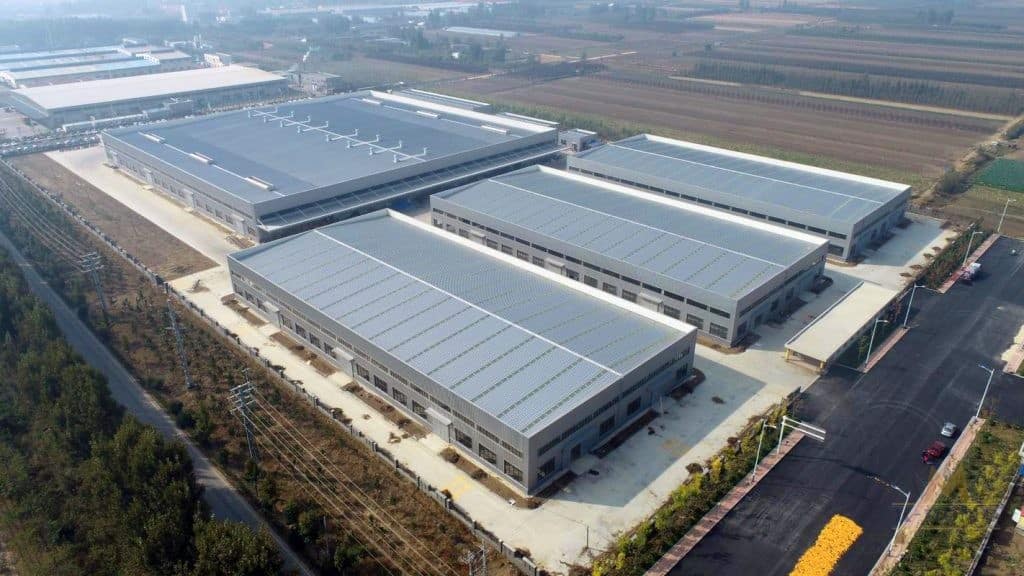
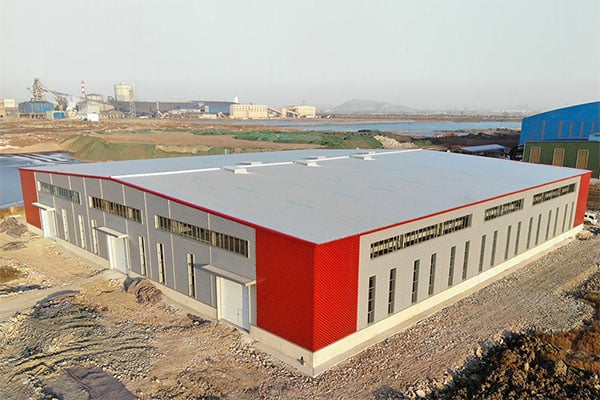
Steel Structure Warehouse Construction
Steel structure warehouses are renowned for their numerous advantages, making them a popular choice in modern construction. The construction process of a steel structure warehouse mainly consists of several key stages.
1. Civil Works & Foundation Preparation
Civil work and foundation preparation are the first steps. The base design can be more adaptable since steel constructions are comparatively lighter than conventional concrete buildings. To guarantee the stability of the complete steel structure warehouse, a strong foundation is still essential. The steel frame’s weight as well as any extra loads, such stored items, must be supported by the foundation.
2. Structural Assembly (Primary Structure)
The primary structure of a steel structure warehouse often features a portal – frame system. Portal frames are pre – fabricated steel members that are assembled on – site. This design provides excellent load – bearing capacity and large – span capabilities. The rigid frame action of the portal frames allows for clear – span interiors without the need for excessive intermediate columns, which maximizes the usable space inside the warehouse.
3. Secondary Structure Installation
After the primary structure is in place, the secondary structure is installed. These include purlins, girts, and bracing systems. They help to support the roof and wall panels and enhance the overall structural integrity of the steel structure warehouse. The secondary structure also helps to distribute loads evenly across the primary frame.
4. Enclosure: Wall Panels & Roof
After that, the enclosure—including the wall and roof panels—is put in place. These panels are often composed of metal and provide strong durability and weather resistance. In order to maintain a stable interior climate in the steel structure warehouse, they can also be insulated to offer thermal efficiency.
5. Finishing and Insulation
Lastly, finishing and insulation are completed. In order to reduce energy consumption and improve the comfort of the warehouse, insulation materials were used. The construction of a steel structure warehouse also includes finishing work such as painting, door and window installation, making it a practical and efficient storage facility.
Steel Structure Warehouse Manufacturer | K-HOME
As a professional steel warehouse building manufacturer, K-HOME is committed to providing you with high-quality, economical prefabricated steel structure buildings.
Committed to Creative Problem Solving
We tailor each building to your needs with the most professional, efficient and economical design.
Buy direct from the manufacturer
Steel structure buildings come from the source factory, carefully selected high-quality materials to ensure quality and durability. Factory direct delivery allows you to get prefabricated steel structure buildings at the best price.
Customer-centric service concept
We always work with customers with a people-oriented concept to understand not only what they want to build, but also what they want to achieve.
1000+
Delivered structure
60+
countries
15+
Experiences

Contact Us >>
Have questions or need help? Before we start, you should know that almost all prefab steel buildings are customized.
Our engineering team will design it according to local wind speed, rain load, length*width*height, and other additional options. Or, we could follow your drawings. Please tell me your requirement, and we will do the rest!
Use the form to reach out and we will be in touch with you as quickly as possible.
About Author: K-HOME
K-home Steel Structure Co., Ltd covers an area of 120,000 square meters. We are engaged in the design, project budget, fabrication, and installation of PEB steel structures and sandwich panels with second-grade general contracting qualifications. Our products cover light steel structures, PEB buildings, low-cost prefab houses, container houses, C/Z steel, various models of color steel plate, PU sandwich panels, eps sandwich panels, rock wool sandwich panels, cold room panels, purification plates, and other construction materials.