
Insulated Steel Building
Insulated steel warehouse / Insulated steel workshop / Metal Building Insulation / Thermal insulated steel building / Heat insulated steel building
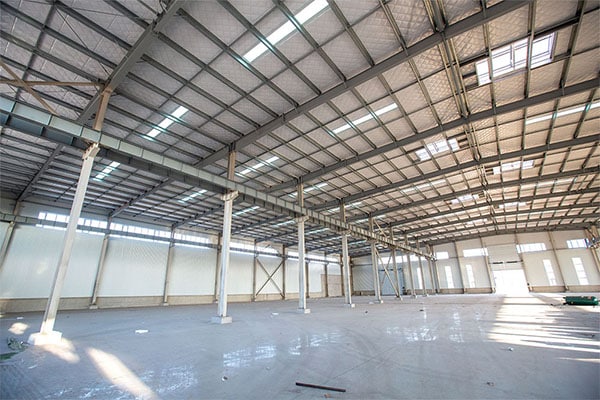
Are you still frustrated with workshops that are sweltering in summer and freezing in winter? Tired of barns ruining crops due to low winter temperatures and suffering from high heat and moisture buildup in summer? Insulated steel buildings not only regulate temperature effectively but also cut down on heating costs — and your steel building can achieve this too.
For businesses looking for functional, energy-efficient, durable, and cost-effective structural solutions, an insulated steel building is a smart long-term investment. This type of building combines the strength of steel with the thermal protection of high-quality insulation, effectively addressing common pain points like energy waste, condensation damage, and uncomfortable working environments.
Insulated Steel Building Definition: Everything You Need to Know
Metal buildings are durable, cost-effective, and widely favored by businesses for their versatile applications. If you want to extend your steel building’s lifespan, get more value from your investment, keep workers and visitors more comfortable, and better protect stored items, adding insulation to your metal building is a must.
Steel building insulation slows heat transfer and regulates indoor humidity, transforming a standard steel structure into an energy-efficient, long-lasting, and functional space. The key difference between insulated and non-insulated steel buildings is their ability to actively adjust indoor temperatures and resist damage from external conditions.
Its core system includes three key components, all tightly integrated with the steel frame to form a high-performance, coordinated structure: first, insulation materials, which are selected based on thermal resistance (known as R-value); second, a moisture barrier, specifically designed to block moisture; third, air sealing, which prevents heat loss by sealing gaps in the steel frame.
These components work together to meet industry standards for energy efficiency and structural safety, ensuring the building operates reliably for decades.
Whether your business has a limited budget, operates in extreme climates, or needs a custom metal building design, there are suitable insulation solutions on the market. That’s why insulation should be a key consideration when designing a metal building — making an insulated steel building a smart long-term choice.
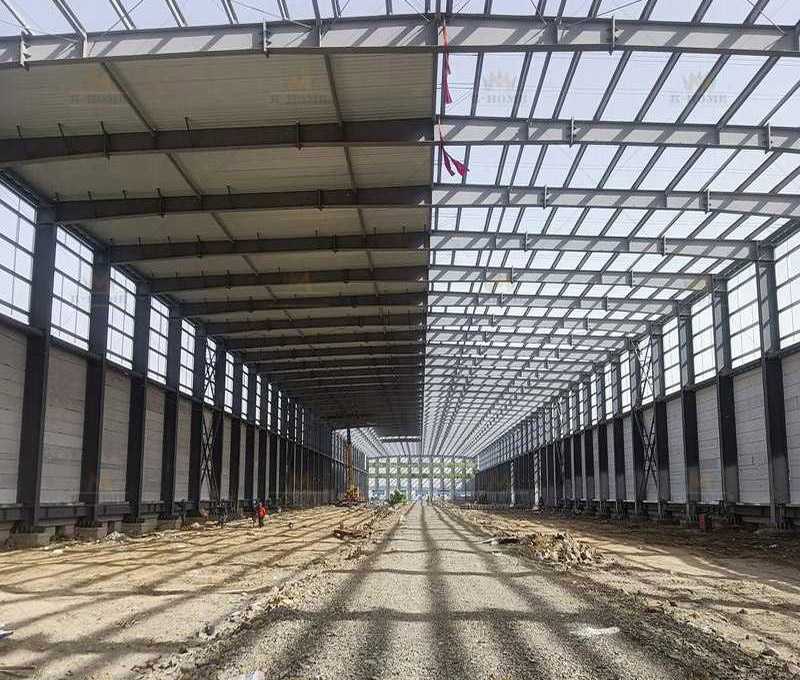
What Are the Most Widely Adopted Industrial Use Cases for Insulated Steel Buildings?
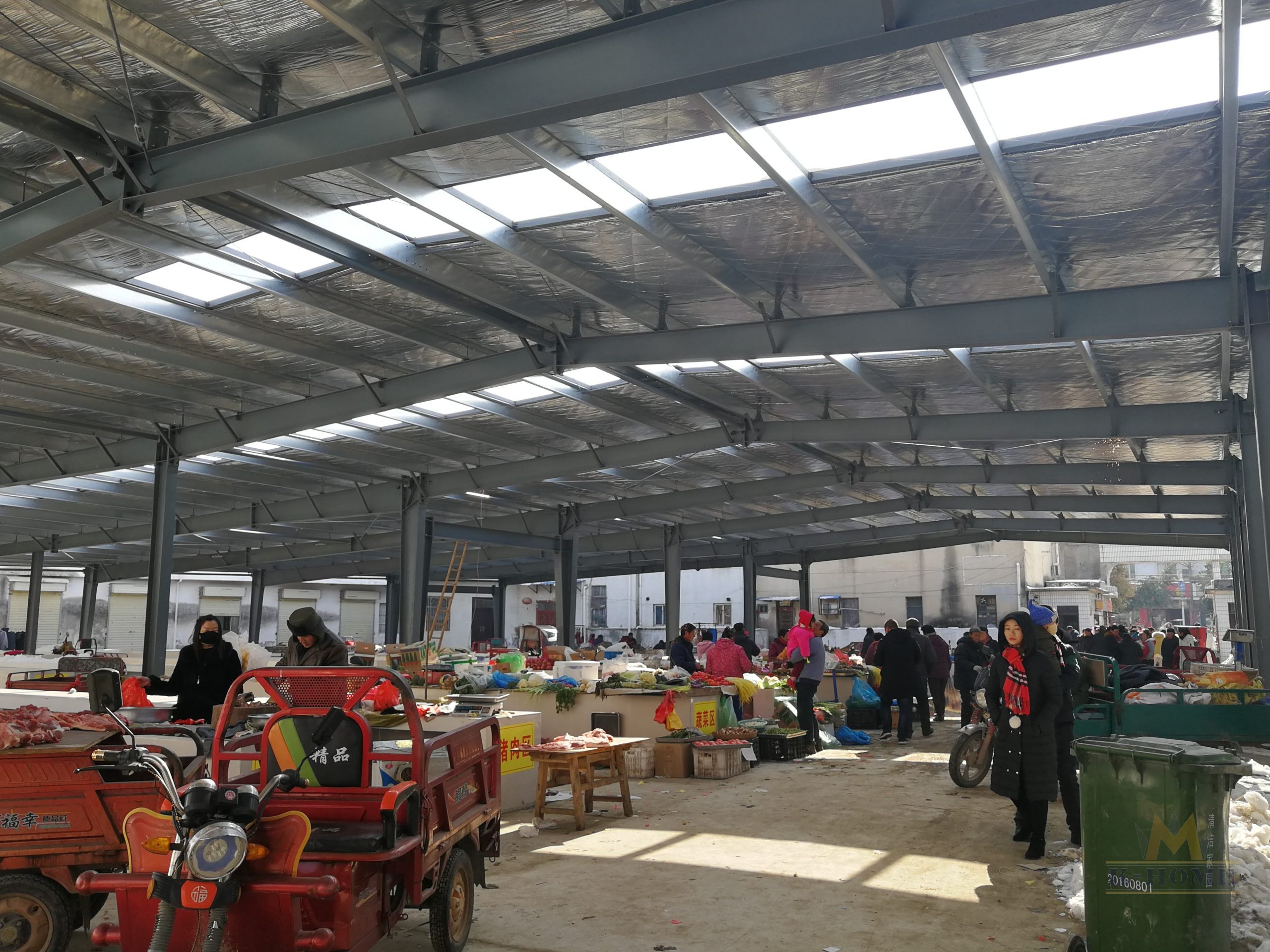
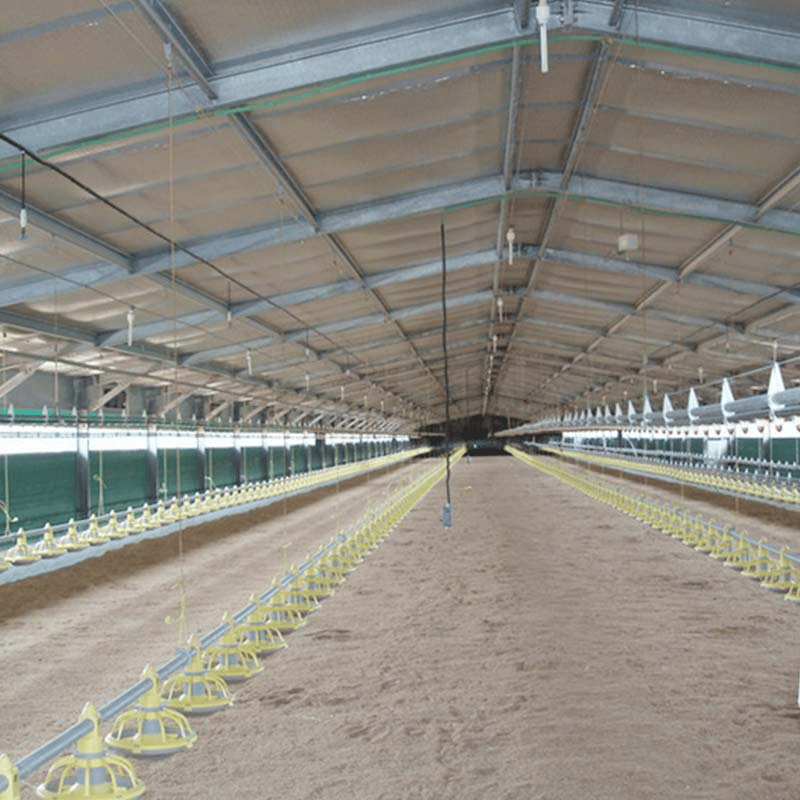
Energy-efficient and highly adaptable, insulated steel buildings cater to diverse industrial needs, delivering tailored solutions for varied application scenarios. Commercial and industrial warehouses leverage their precise temperature regulation to protect inventory—whether perishable goods, electronic equipment, or bulk materials—while their robust structural integrity supports heavy machinery and high-frequency operational demands.
In agriculture, insulated steel barns and farm storage facilities maintain consistent temperatures to safeguard livestock, crops, and agricultural equipment. These climate-stable structures prevent winter freezing and summer overheating, minimizing crop spoilage and enhancing animal welfare for long-term farm productivity. For residential and light commercial garages, insulated steel enables multi-functional spaces—ideal for workshops, storage, or hobby areas—with reliable temperature control ensuring year-round usability.
 Agricultural Metal Barns
 Equipment Storage Buildings
 Manufacturing Workshops
-
Steel Structure Sports Center
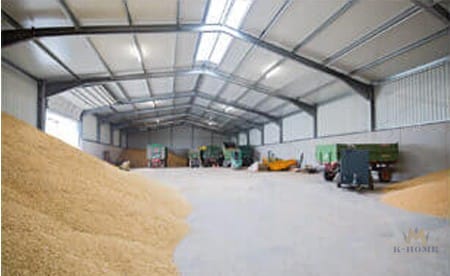
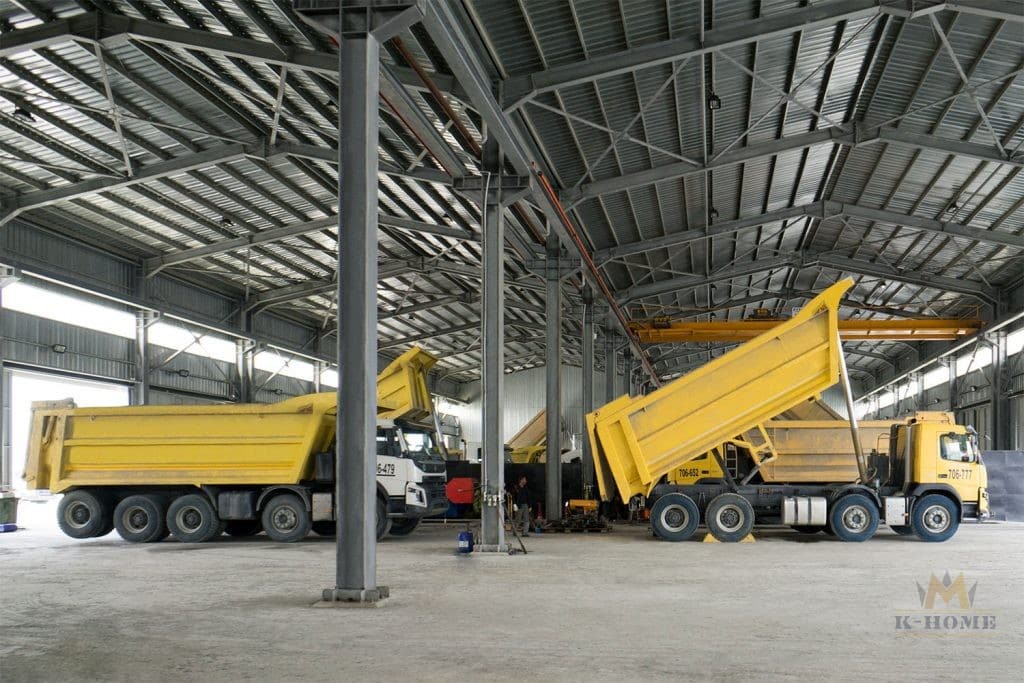
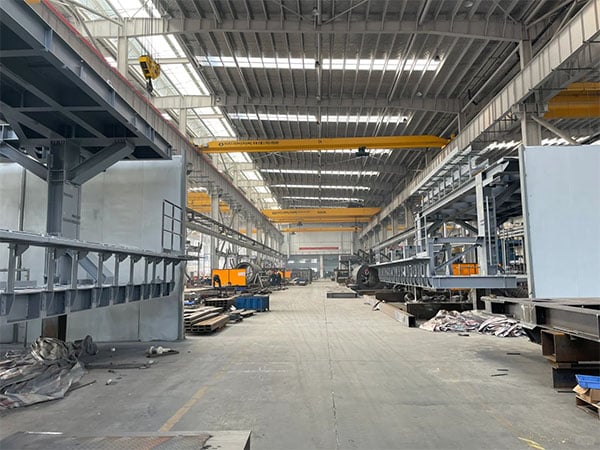

Manufacturing workshops and production facilities rely on insulated steel for soundproofing, noise reduction, and precise climate management, creating safer, more efficient work environments that boost employee productivity. Even recreational and community spaces such as gyms, community centers, or event venues benefit from the material’s versatility: it delivers comfortable interiors while cutting energy and operational costs, making it a cost-effective choice for public-facing buildings.


Top 3 Core Advantages of Insulated Steel Buildings
By combining insulation layers with optimized steel framing, insulated steel buildings address the shortcomings of traditional steel structures at the source. They balance durability and practicality, with their core energy-saving feature being the insulation’s ability to lock in 90% of indoor heat, reducing energy waste from the outset.
Heat Retention & Energy Savings for Insulated Steel Buildings
The energy-saving core lies in high-quality insulation that efficiently blocks heat transfer, retaining over 90% of indoor temperature. Whether preserving warmth in frigid winters or isolating extreme heat in hot summers, it maintains stable indoor conditions and avoids unnecessary energy consumption. In practical application, these structures consume 30% to 40% less energy than standard steel buildings. For large-scale industrial warehouses or workshops, this translates to tens of thousands of dollars in annual electricity savings for enterprises, with long-term use continuing to lower operational costs.
Moisture & Condensation Resistance to Extend Structure Lifespan
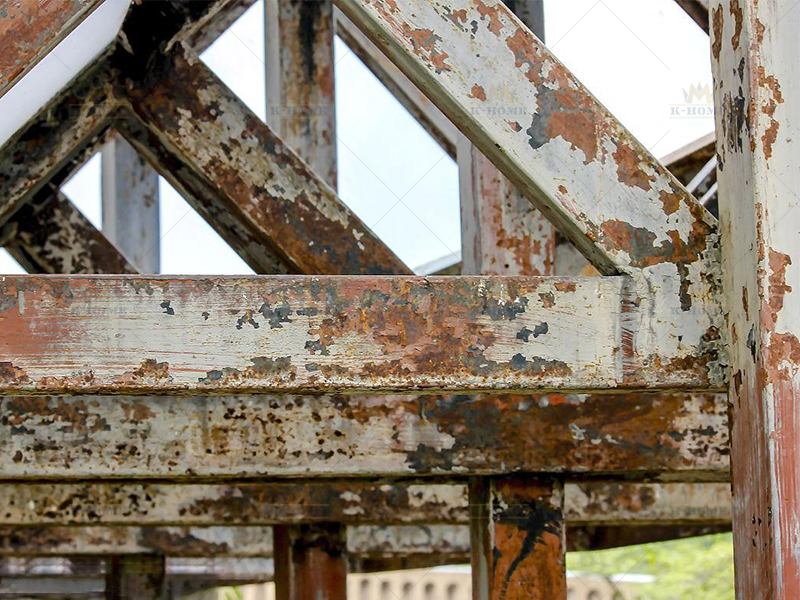
Steel structures are prone to corrosion and aging due to condensation accumulation. However, insulated designs—through the collaborative use of insulation layers and moisture barriers—prevent moisture from directly contacting the steel frame at the source. The protective barrier formed by insulation reduces condensation on steel caused by temperature fluctuations, avoiding rust and diminished structural strength, thereby sustaining long-term stability. Compared to non-insulated steel buildings, their service life can be extended by 10 to 15 years, significantly reducing labor and financial investment in subsequent maintenance and renovations.
Versatile Applications & Improved Indoor Environment
Insulation layers not only regulate indoor temperature but also provide sound insulation, mitigating noise transmission from industrial production and equipment operation to create a more comfortable working space. Meanwhile, stable indoor temperature and humidity effectively protect stored goods and equipment from damage caused by moisture or extreme temperatures—making them particularly suitable for industries with specific storage requirements, such as food, electronics, and precision machinery. From agricultural barns and commercial storage facilities to production workshops and recreational venues, these buildings meet the needs of diverse scenarios through their excellent environmental adaptability.
About K-HOME
——Pre Engineered steel Building Manufacturers China
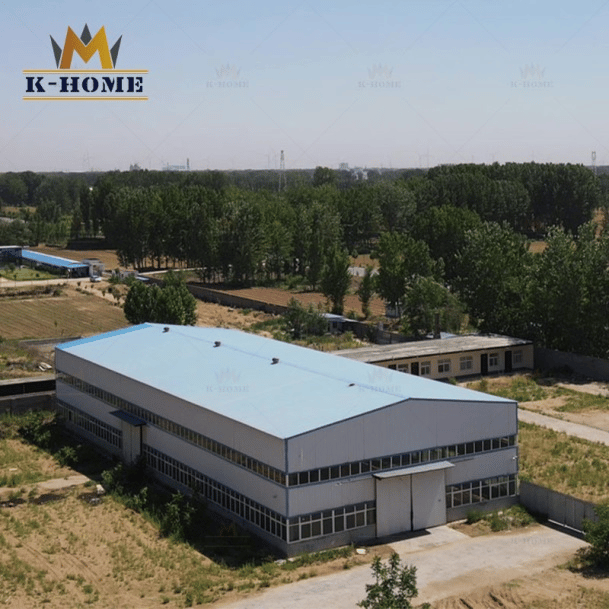
Henan K-home Steel Structure Co., Ltd is located in Xinxiang, Henan Province. Established in the year 2007, registered capital of RMB 20 million, covering an area of 100,000.00 square meters with 260 employees. We are engaged in prefabricated building design, project budget, fabrication, installation of steel structure and sandwich panels with second-grade general contracting qualification.
Design
Every designer in our team has at least 10 years of experience. You don’t have to worry about the unprofessional design affecting the safety of the building.
Mark and Transportation
In order to make you clear and reduce the site work, we meticulously mark each part with labels, and all parts will be planned in advance to reduce the number of packings for you
Manufacturing
Our factory has 2 production workshops with large production capacity and short delivery time. Generally, the lead time is around 15 days.
Detailed Installation
If this is the first time for you to install the steel building, our engineer will customize a 3D installation guide for you. You don’t need to worry about the installation.
Choosing Insulation Materials for Insulated Steel Buildings: Practical Selection Guide
The key to choosing insulation materials for insulated steel buildings lies in three core factors: the local climate, project budget, and required insulation performance. There’s no need for blind comparisons—simply match the materials to your specific needs.
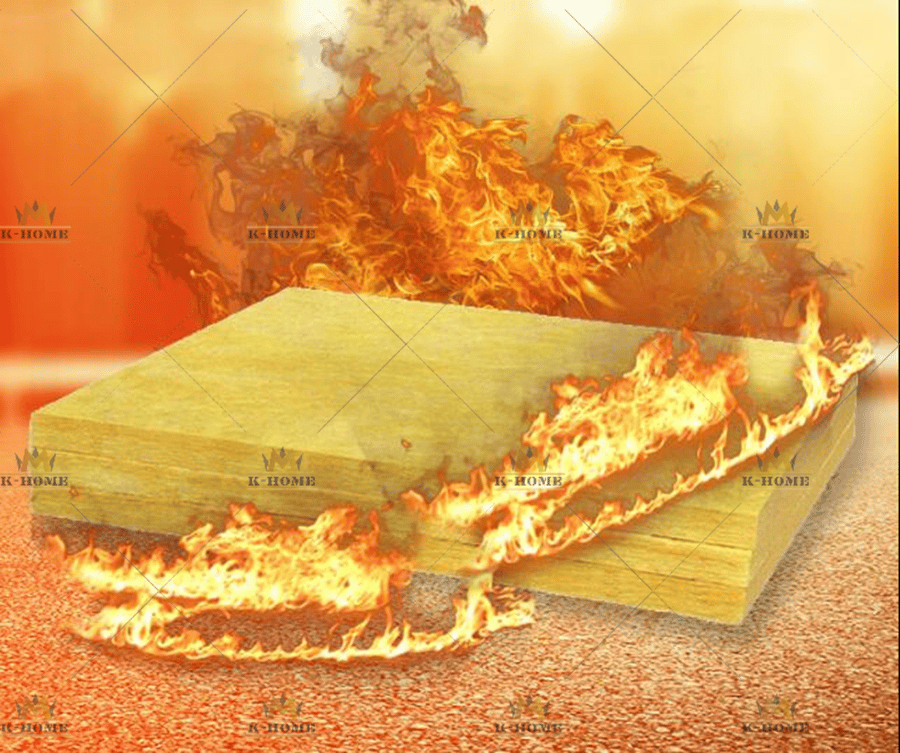
- Glass wool insulation: Widely popular for its cost-effectiveness and reliable thermal performance, it’s easy to install and ideal for cost-conscious scenarios like warehouses or workshops in mild climates.
- Spray foam insulation: Offers excellent thermal efficiency, expanding automatically to fill gaps in the steel frame and form a complete airtight seal. It effectively blocks heat transfer and stabilizes indoor temperatures, making it perfect for extreme climates (severe cold or intense heat) and buildings aiming for maximum energy savings.
- Rigid sandwich panel insulation: Delivers high thermal resistance (R-value) in compact spaces, suitable for structures with limited interior room that require efficient insulation.
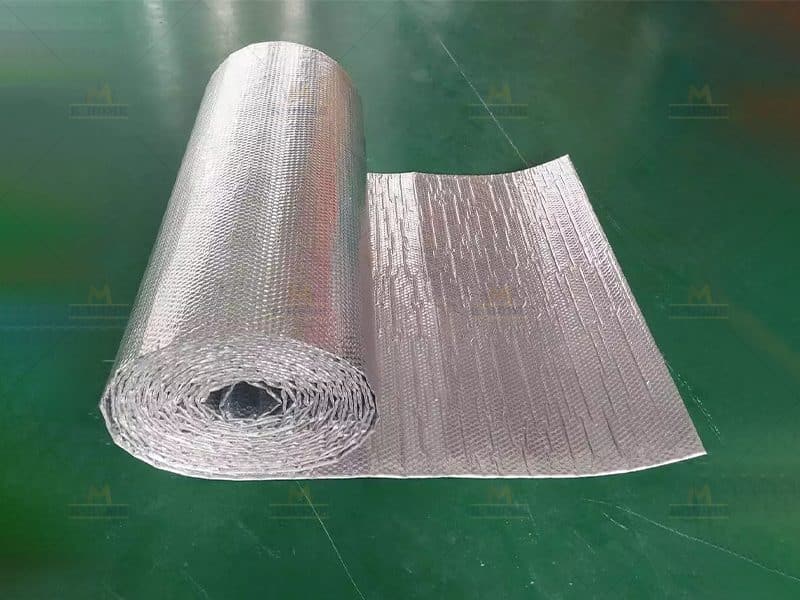
- Reflective insulation: Reflects heat away from the building, making it a great choice for hot regions to prevent indoor overheating from direct sunlight.
 Glass wool insulation
-
Spray Foam Insulation
-
Rigid Sandwich Panel Insulation
-
Reflective insulation


Essential Insulation Selection Tips for Steel Building Insulation
The R-value directly indicates the insulation capacity—higher values mean better heat-blocking performance. For cold regions, select materials with an R-value between R-38 and R-49 to effectively retain indoor heat for your insulated steel building; for mild climates, materials with an R-value of R-25 to R-30 are sufficient to meet requirements. For humid areas, moisture-proof insulation solutions are a must to prevent mold growth that could lead to material failure, ensuring the building’s service life and stable insulation performance.
How Much Does an Insulated Steel Building Cost for Your Project?
There is no fixed price for insulated steel buildings — costs are determined by the project location, building size, and type of insulation materials. The required thermal resistance (R-value) should be determined based on indoor temperature control needs in your area.
Project location and climate may impact certain designs of such structures. To ensure optimal insulation performance, minor adjustments may be necessary (e.g., increasing purlin depth or adopting a standing seam roof to accommodate thicker insulation batts), and some of these modifications may result in a slight increase in total costs.
Regardless of the budget, insulation is a critical component that should not be rushed. It directly affects the building’s performance and service life. Proper insulation design and standardized construction can reduce energy consumption and maintenance costs, delivering long-term value.
By comprehensively considering factors such as climate, building size, and insulation materials, you can obtain a cost-effective solution that ensures the building maintains stable and reliable performance over the long term.
Wondering How Much Your Insulated Building Can Save You?
Get a Quote – 24/7 Online Support!

Contact Us >>
Have questions or need help? Before we start, you should know that almost all prefab steel buildings are customized.
Our engineering team will design it according to local wind speed, rain load, length*width*height, and other additional options. Or, we could follow your drawings. Please tell me your requirement, and we will do the rest!
Use the form to reach out and we will be in touch with you as quickly as possible.