
what is cladding system in steel structure?
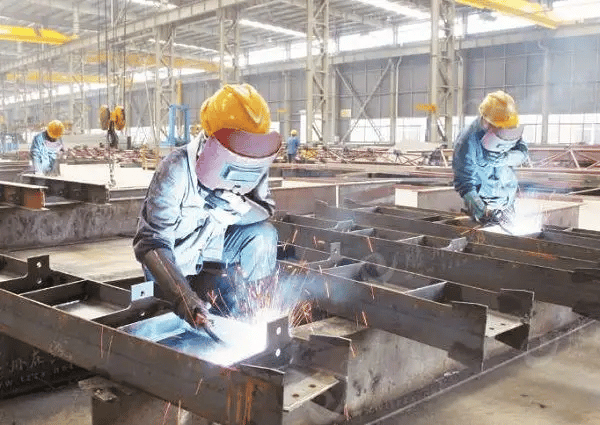
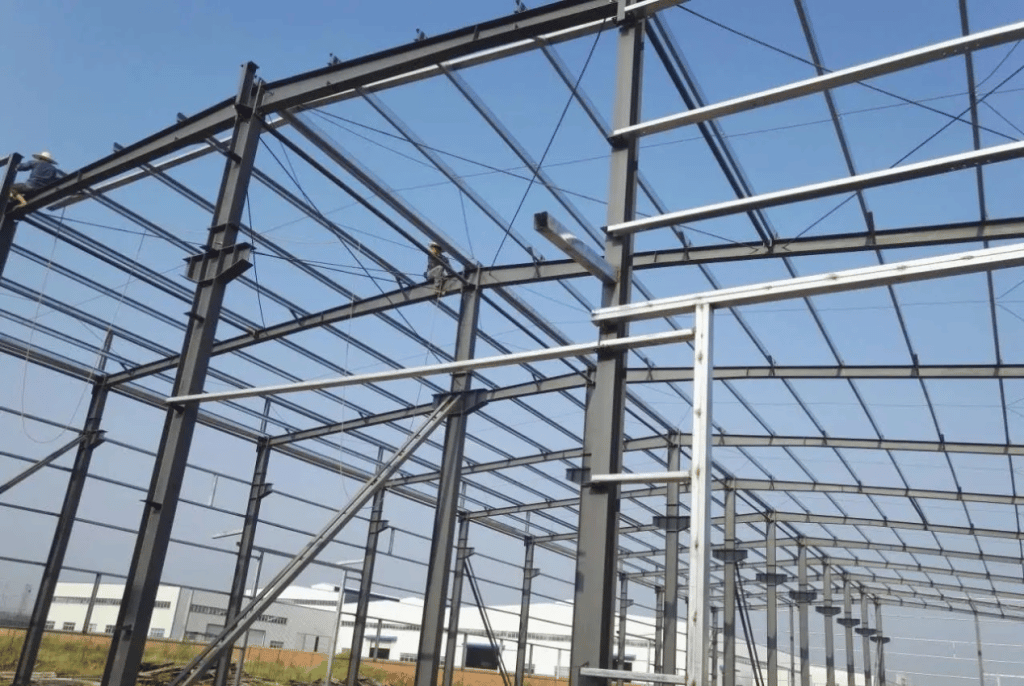
Steel structural construction systems are mainly composed of two parts: the main steel structure system and the steel cladding system.
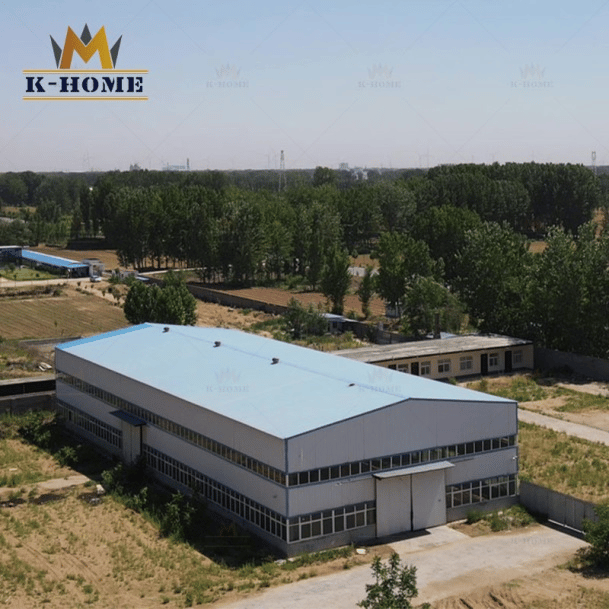
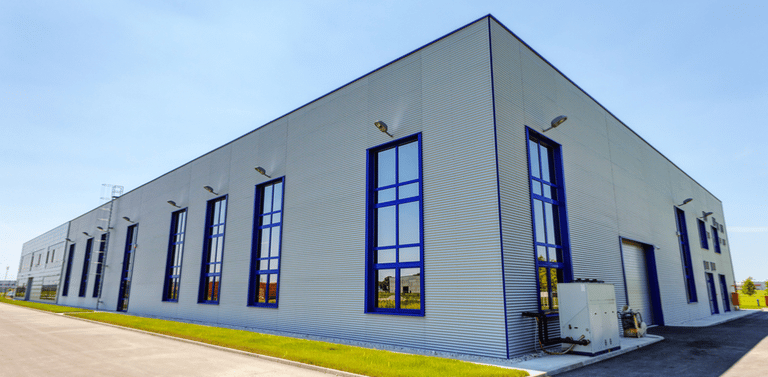
The cladding system is the “envelope” installed outside the steel structure. It protects against wind and rain, insulates against heat, provide daylight and ventilation. It is this system that truly enables the steel structure building to fulfill its intended functional purpose.
The components of the Cladding System

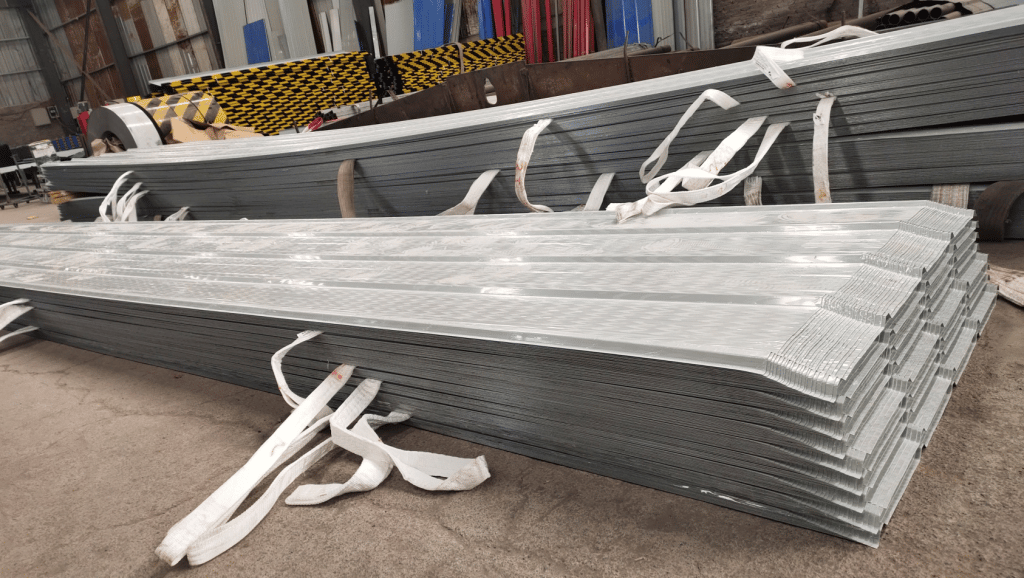
1. Corrugated Metal Sheet
Corrugated Metal Sheet, is color coated steel plate, and cold-bended into a variety of shapes. It is suitable for industrial and civilian buildings, warehouses, large-span steel structural buildings, internal and external wall decorations, it has the original strength of the steel plate and lower cost. Now it is very popular.
2. Skylighting Panel
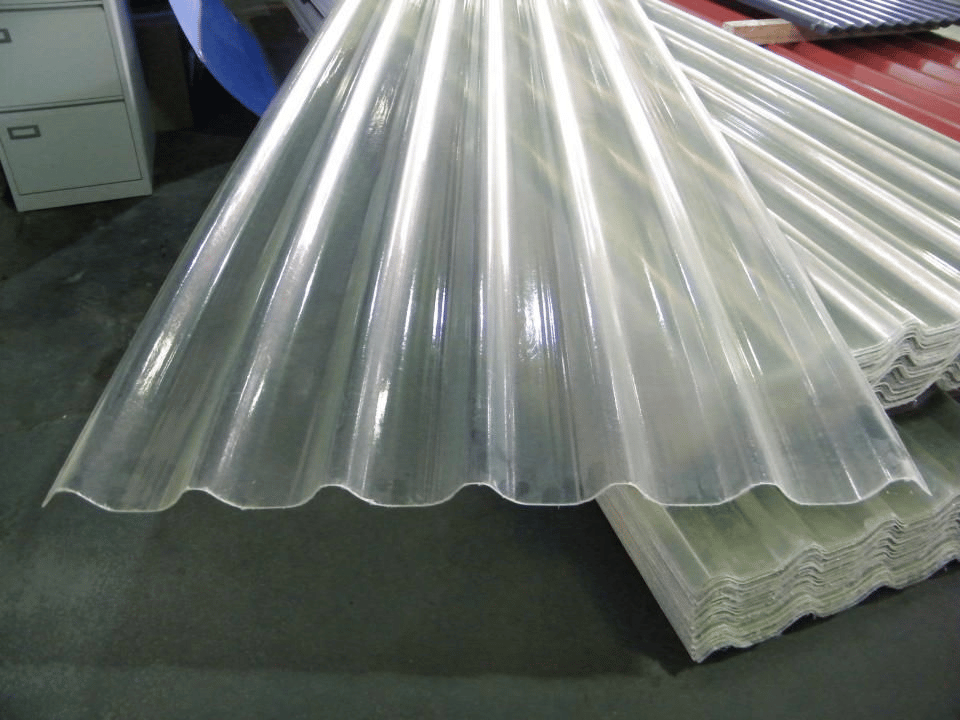
Commonly used in building roof for lighting.
Thickness: 0.6mm, 0.8mm, 1.0mm, 1.2mm, 1.5mm, 1.8mm, 2.0mm, 2.5mm, 3.0mm, or as required.
Width and length: As required
Technical feature:
- Corrosion Resistance
- Strong Strength
- Aging Resistance
- Chalking Resistance
- Self-cleaning
- Yellowish Resistance
- Cheaper Maintenance
- Excellent Performance
3. Insulation
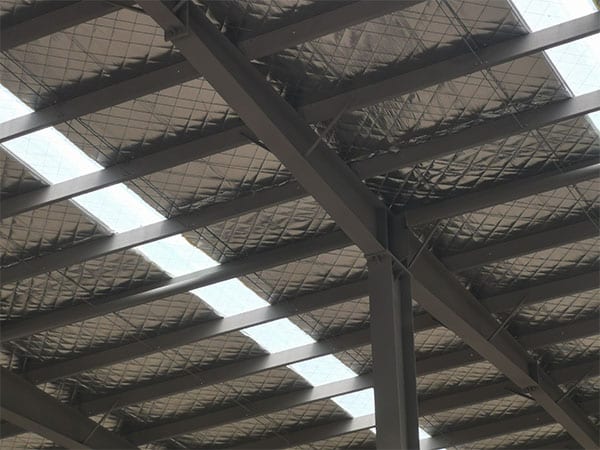
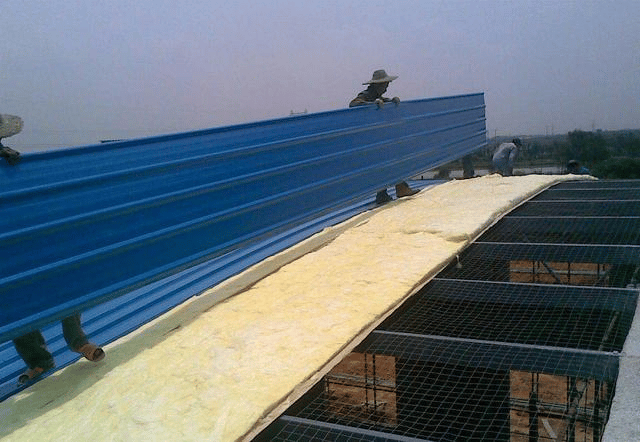
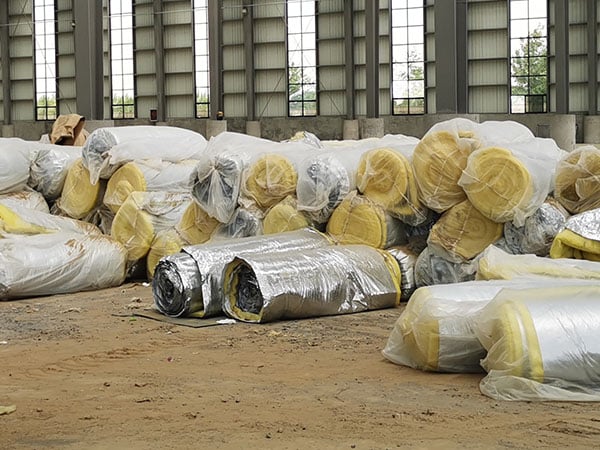
There are various methods for roof insulation, the most common being a combination of color-coated steel sheets and insulation wool. This approach strikes a balance between cost-effectiveness and thermal insulation performance.
The installation process involves first laying a layer of insulation wool on the roof, followed by the installation of the color-coated steel sheets.
Glass wool is the insulation material commonly used for steel-structure roofs due to its excellent thermal insulation properties; this solution is widely adopted for roofing in projects such as steel-structure buildings, industrial plants, and greenhouses.
4. Wall Cladding – Rock Wool Sandwich Panel
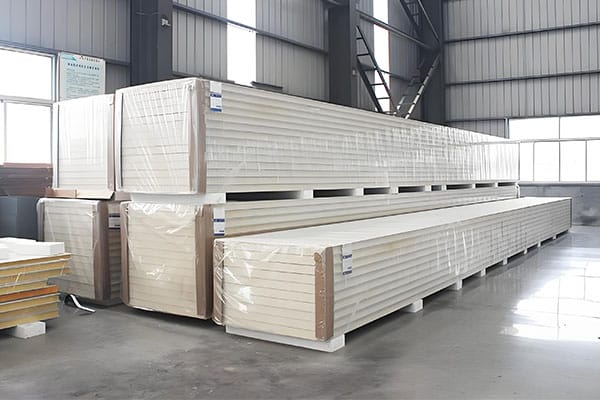
Sandwich board is a common product in the current building materials, which is not only good to flame retardation but also environmentally efficient. The sandwich panel is compressed by the upper and lower metal plates and the insulating internal material.
Depending on the internal core material, it can be divided into EPS, Rock wool, polyurethane sandwich panel.
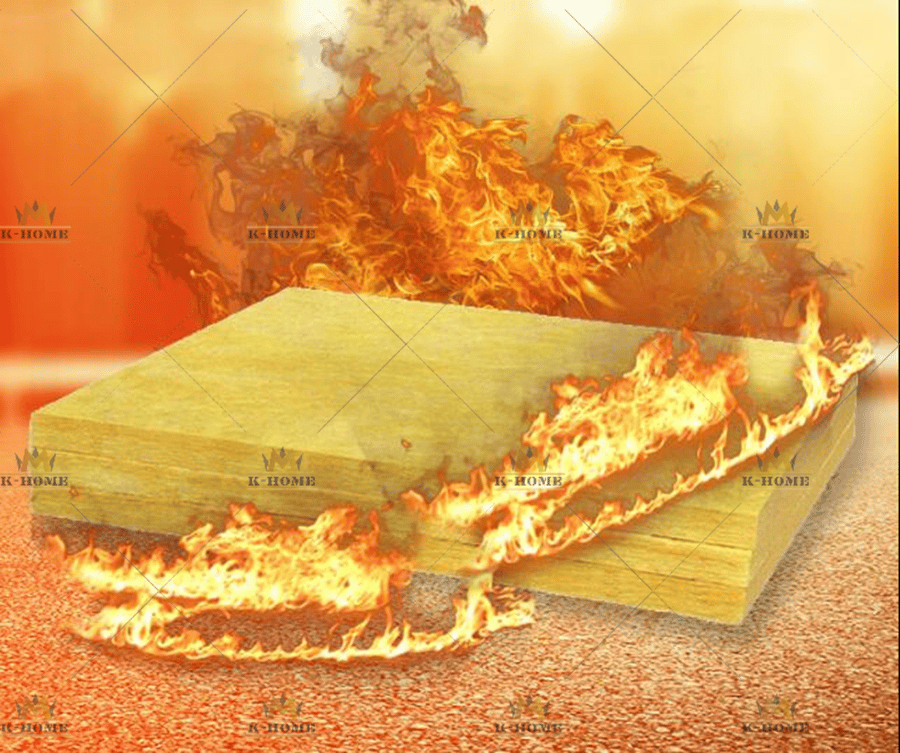
Rockwool Sandwich Panel Has Class A fireproof level, has good adiabatic performance, excellent sound insulation and sound absorption performance.


5. Wall Cladding – Polyurethane (PU) sandwich panel
Polyurethane sandwich panel, also known as PU sandwich plate.
This product is made of polyurethane foam as core insulation material and pressed by two metal panels, which is usually used in industrial plants, logistics warehousing, wall surface, roof enclosure system.
The combustion performance of the polyurethane sandwich panel reaches B1, and the valid width of the sheet is usually 1000 mm, which also can be customized.
The production of the polyurethane sandwich panel requires the advanced sandwich panel continuous production line, the process is the internal and external galvanized ( or Aluminized zinc) colored steel plate cold bending, intermediate coated polyurethane.
The anti-leakage sandwich house panel is made by patented technology, and the advantages of the polyurethane sandwich panel are used to ultimate.
The PU sandwich panel has the following features:
- The thermal conductivity of the thermal conductivity and the thermal conductivity is low, it is the best insulation material;
- Good appearance, and easy installation;
- Good fire resistance;
- Non-toxic tasteless;
- Waterproof, and moisture.
6. Flashing for Metal Cladding System
In steel structure buildings, edge trim and flashing components serve as vital elements for both connection and aesthetics; they not only influence the building’s overall visual appeal but also directly impact performance characteristics such as waterproofing and thermal insulation.

Wall System Trim – Wall Flashing
Location: In projects featuring brickwork, wall flashing is typically situated at the junction between the brick wall and the wall panels.
Function: Primarily serves a waterproofing purpose, ensuring that rainwater does not seep into the building’s interior through gaps in the wall surface.

Wall System Trim—Vertical Joint for Horizontally Installed Panels
Location: When wall panels are installed horizontally, the vertical joint is situated where two horizontal panels meet.
Function: It provides waterproofing and enhances the overall aesthetic appeal of the wall surface.

Window System Edge Cover
The installation of edge cover components creates a transition and connection between the window and the wall, enhancing the window’s sense of depth and layering.
The edge cover components on all sides of the window connect to one another, forming a complete casing system.
Roof Ridge Cap- Outer Ridge Cover and Inner Ridge Cover
Outer Ridge Cover: Cover the roof ridge above sandwich panel;
Inner Ridge Cover: Cover the roof structure ridge on the Herringbone beam.
Role: Prevent the roof from leaking.


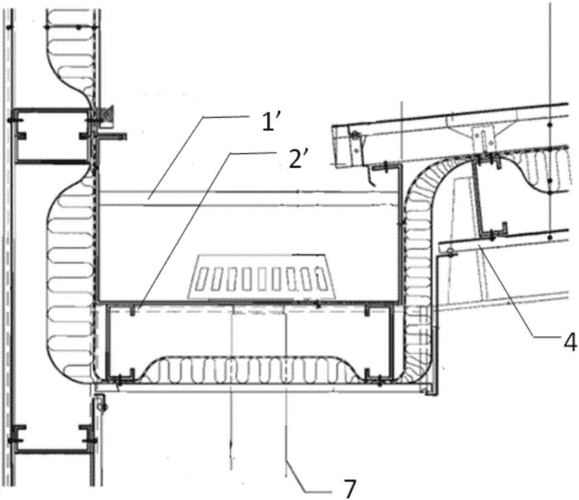
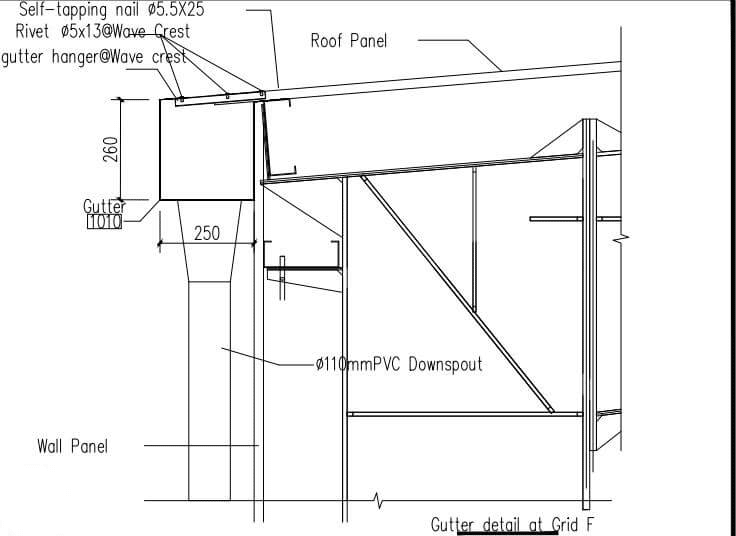
Water Gutter
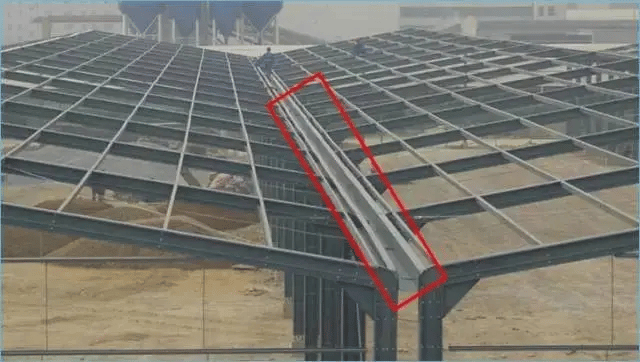
In steel structure projects, the gutter is an essential component of the roof drainage system; it primarily serves to temporarily collect rainwater and channel it away promptly through downpipes.
According to position:
- Gutter at the junction of two spans,
- A gutter in the eaves.
- According to whether exposed: Internal gutter and external gutter

Gutter at the joint of two spans 
water gutter in steel structure
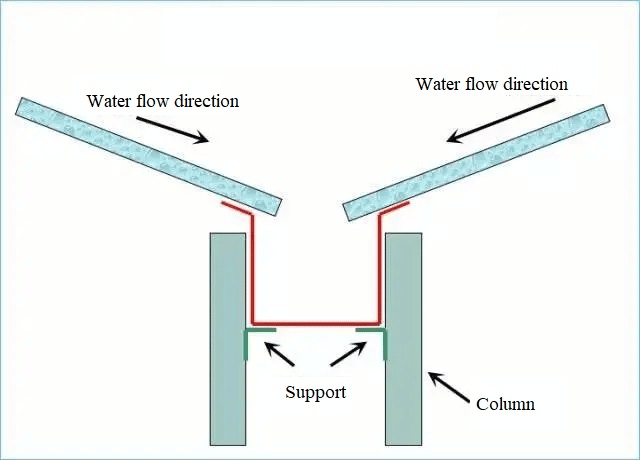
Internal gutter
External Gutter
relationship between the steel skeleton and the cladding system
Components such as steel beams, columns, purlins, and bracing form the building’s skeletal system, bearing the primary structural loads. Meanwhile, the enclosure system not only provides peripheral protection for the steel frame but also contributes to the collaborative distribution of loads.
The synergistic interaction between the framework and the enclosure system ensures the safety, durability, and aesthetic value of the steel structure building.

How is Metal Cladding Installed?
Metal cladding system can be laid vertically, horizontally to meet your requirements, and is even capable of being applied to curved facades and a variety of unusual shapes. It’s available in a range of corrugated and other profiles, or can be laid flat as part of a panelized installation for an ultra-modern effect.
The Importance of Steel Cladding System
The cladding system not only maintains the warmth of the factory but also has an aesthetically look. According to the experience of construction, we must pay attention to the installation of the cladding system of the steel structure building.
If the cladding system is guaranteed by the steel structure building, the sandwich panel or other enclosure material is the basis for the guarantee.
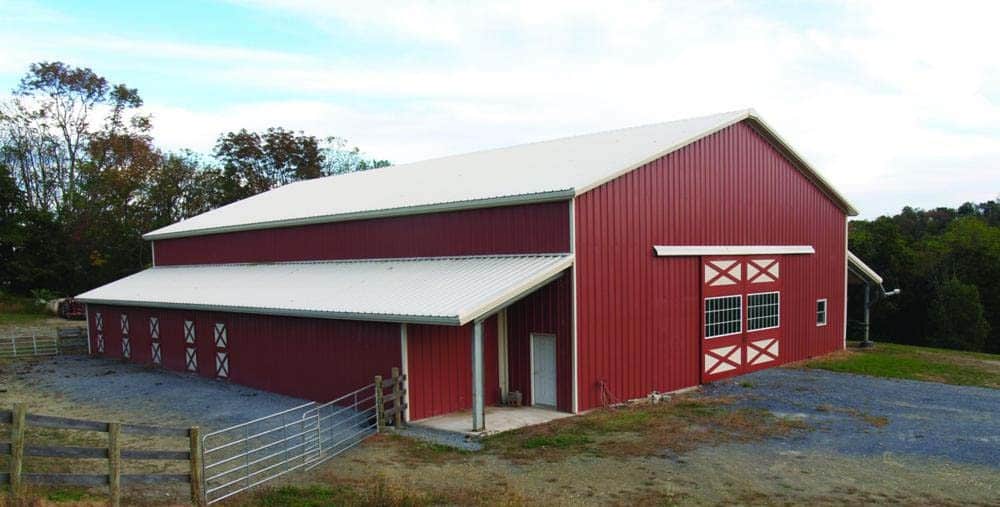
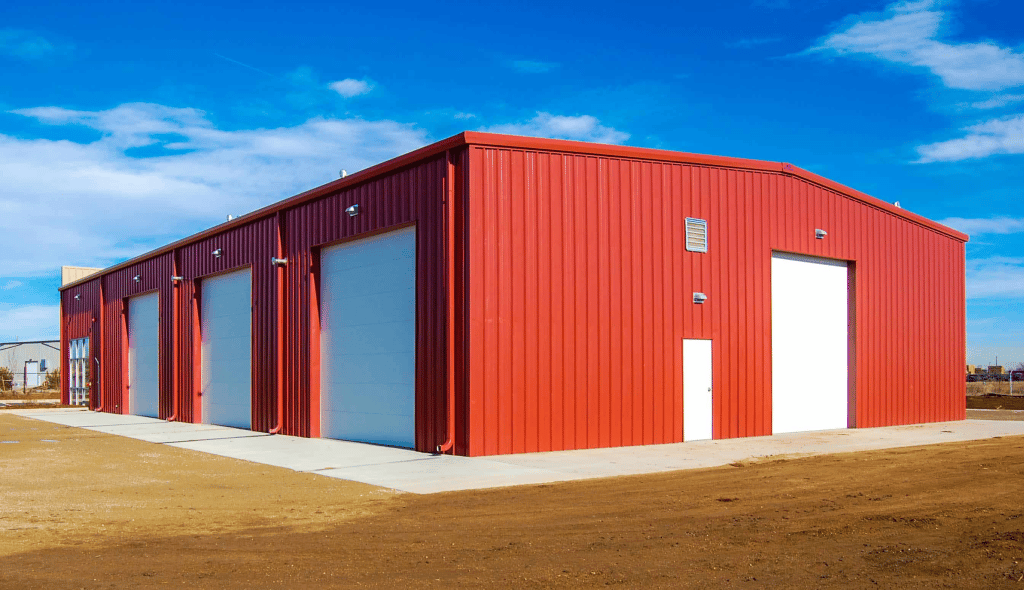
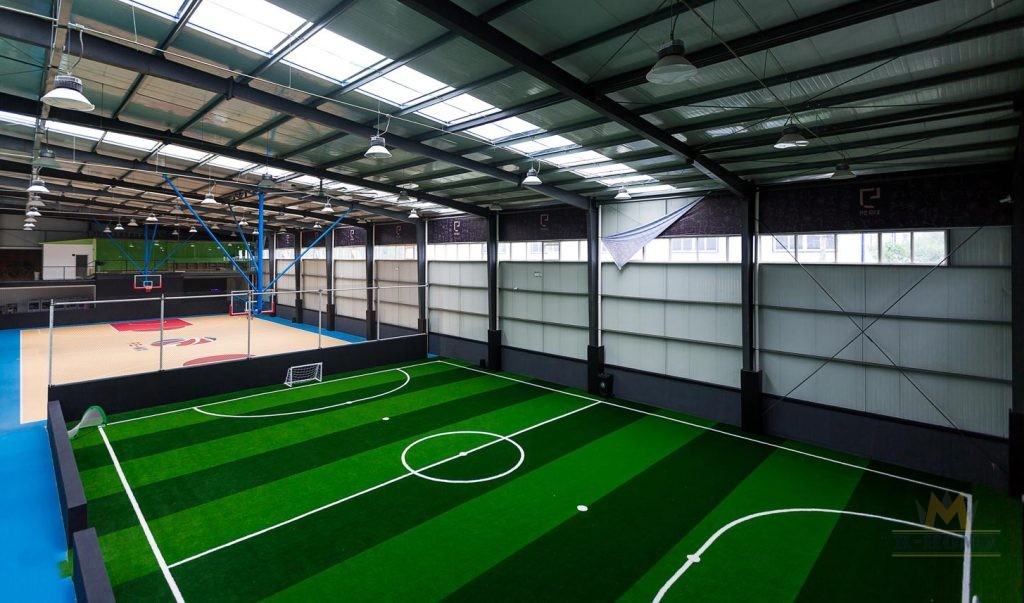
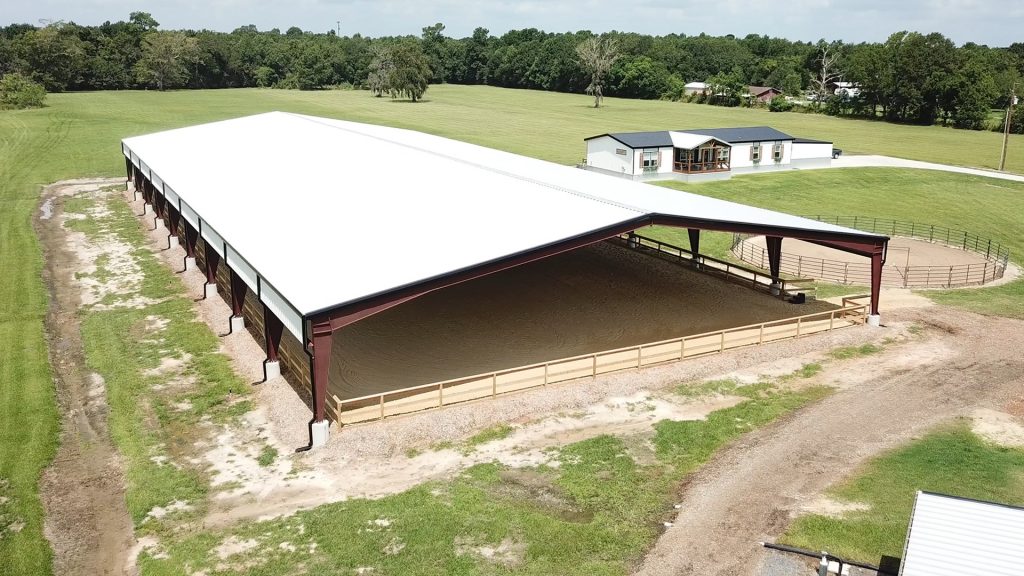
The PEB Steel Building
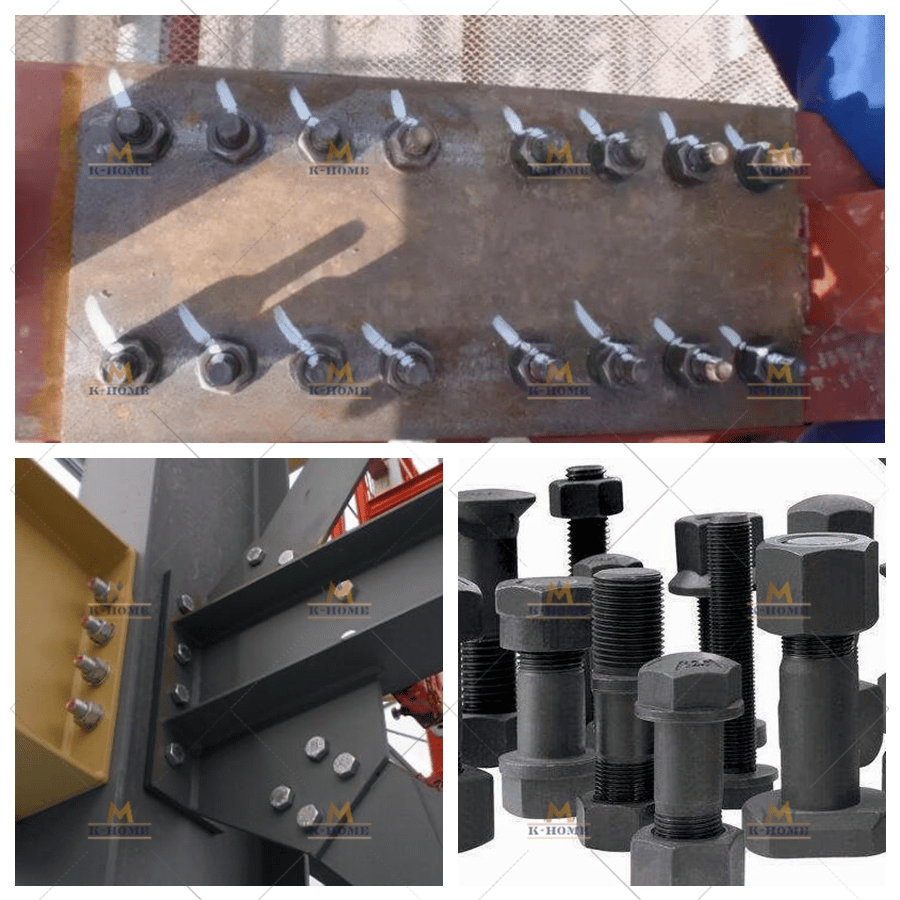
The Other Additional Attachments

Building FAQs
- How to Design Steel Building Components & Parts
- How Much Does a Steel Building Cost
- Pre-Construction Services
- What is a Steel Portal Framed Construction
- How to Read Structural Steel Drawings
Blogs Selected for You
- The Main Factors Affecting The Cost of Steel Structure Warehouse
- How Steel Buildings Help Reduce Environmental Impact
- How to Read Structural Steel Drawings
- Are Metal Buildings Cheaper Than Wood Buildings?
- Benefits of Metal Buildings For Agricultural Use
- Choosing the Right Location For Your Metal Building
- Making a Prefab Steel Church
- Passive Housing & Metal –Made for Each Other
- Uses for Metal Structures You May Not Have Known
- Why Do You Need a Prefabricated Home
- What Do You Need To Know Before Designing a Steel Structure Workshop?
- Why Should You Choose a Steel Frame Home Over a Wooden Frame Home
Contact Us >>
Have questions or need help? Before we start, you should know that almost all prefab steel buildings are customized.
Our engineering team will design it according to local wind speed, rain load, length*width*height, and other additional options. Or, we could follow your drawings. Please tell me your requirement, and we will do the rest!
Use the form to reach out and we will be in touch with you as quickly as possible.
About Author: K-HOME
K-home Steel Structure Co., Ltd covers an area of 120,000 square meters. We are engaged in the design, project budget, fabrication, and installation of PEB steel structures and sandwich panels with second-grade general contracting qualifications. Our products cover light steel structures, PEB buildings, low-cost prefab houses, container houses, C/Z steel, various models of color steel plate, PU sandwich panels, eps sandwich panels, rock wool sandwich panels, cold room panels, purification plates, and other construction materials.